
Who are you, underneath your mask? Indie-Clips Interview with Alan Garrigan
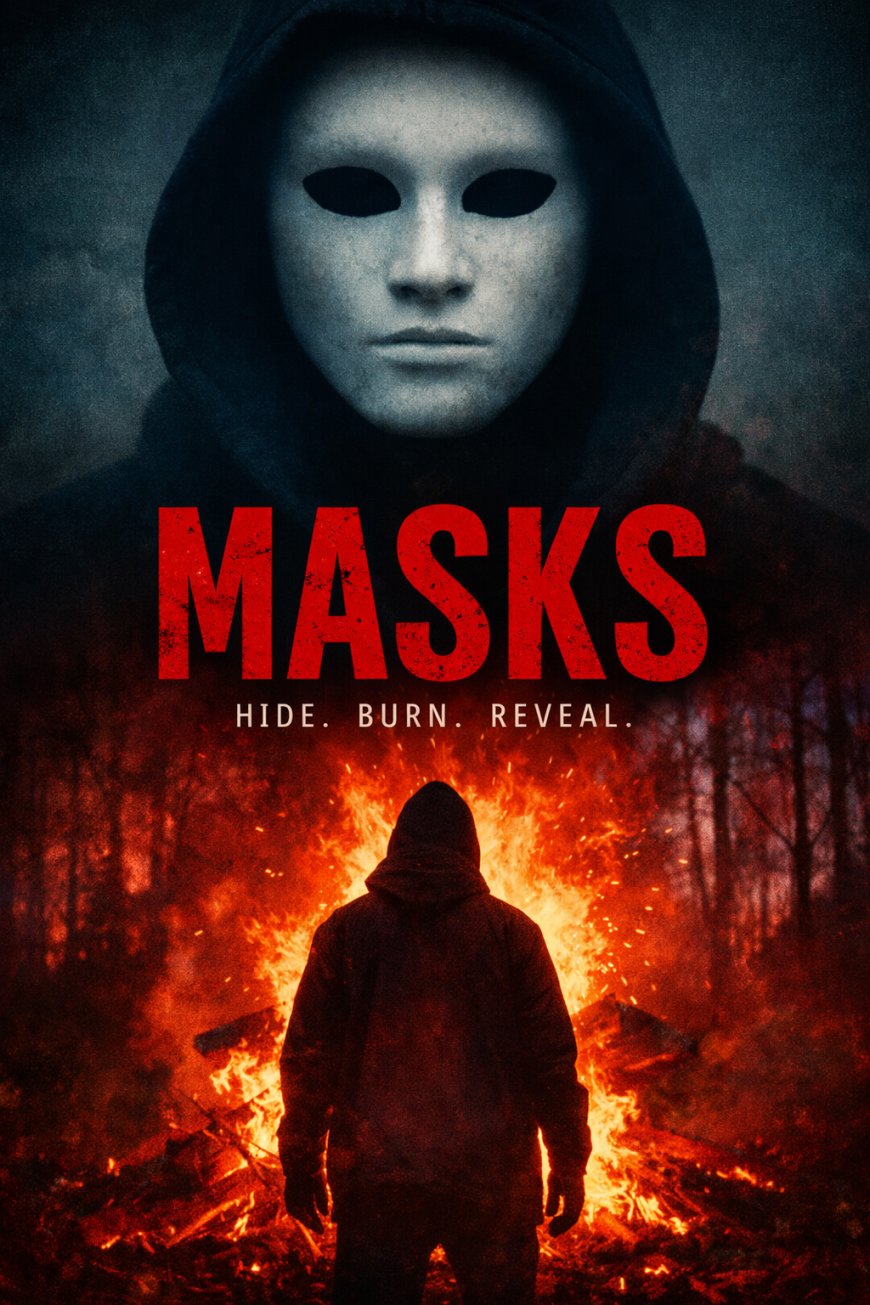
Masks looks at how we present ourselves to the world versus who we really are underneath, and the cost of constantly hiding behind a persona.
Take a leap of Faith: the making of Masks
Indie-Clips Original Interview with Alan Garrigan
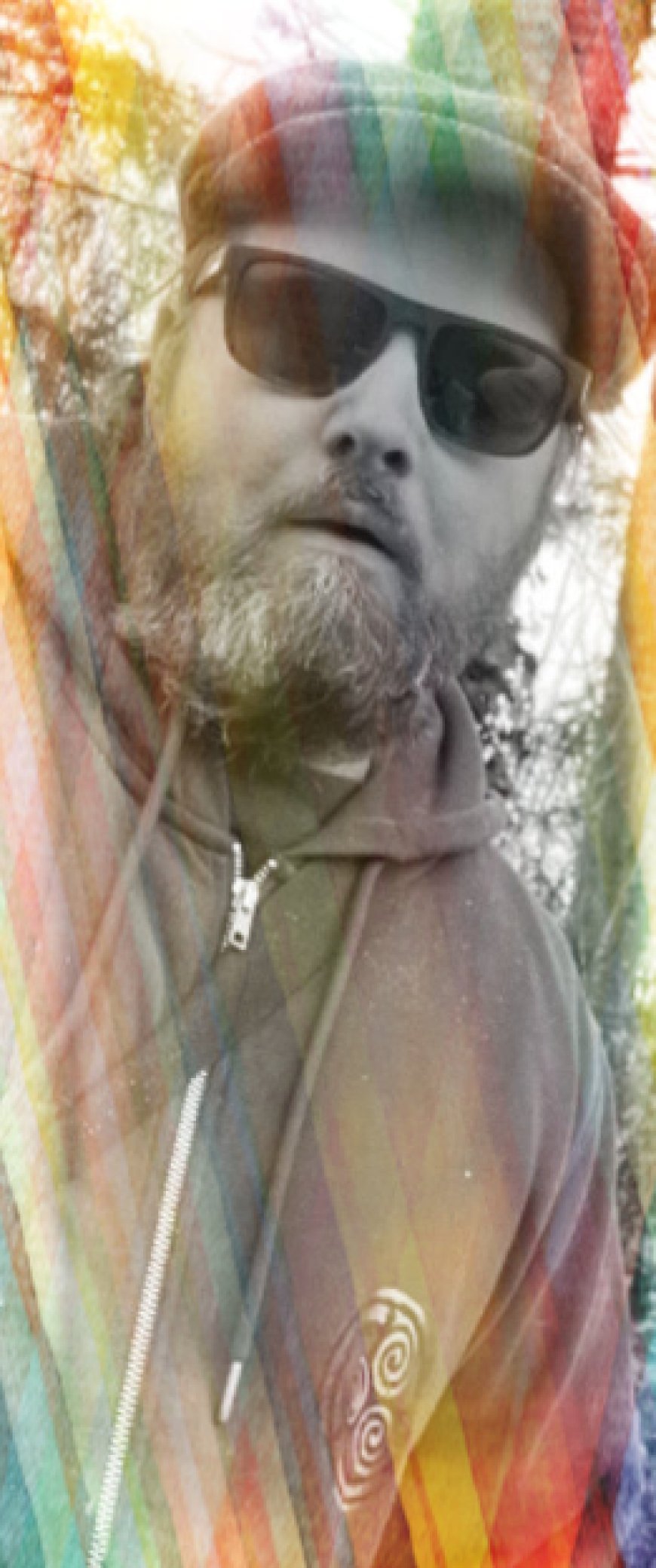
Alan, can you tell us more about yourself as a director and about your short film Masks?
I enjoy all forms of creativity and am drawn to everything from deep thinking to surrealism. However, I believe that true creativity is based on Aesthesis and becoming. I’m also interested in spectacle, unpredictability, and deep emotional resonance. Masks is a short that explores persona, vulnerability, and complex emotions. It’s also a very primitive and intimate piece, one that came from a personal and private space. Masks looks at how we present ourselves to the world versus who we really are underneath, and the cost of constantly hiding behind a persona.
What was your inspiration for making this short film?
The inspiration for Masks came from observing how often people feel pressured to suppress their true emotions — whether it’s due to societal expectations, personal trauma, or fear of judgment. I was also influenced by everything from Jean Cocteau and his film about the Greek hero Orpheus to David Wojnarowicz and his artistic exhibition in New York with the Rimbaud mask. Overall, we all wear masks in different situations. Complexity is the rule of life. Moreover, in a way, the persona is under perpetual duress through socio-political pressures. And yet, somehow the veil we wear manages to maintain its metastable equilibrium. Masks was also inspired by conversations around mental health and emotional honesty, and how difficult — yet necessary — it is to confront what we’re hiding in order to progress and potentially actualise. This process of individuation may hark back to the shadow psychology of everyone from Carl Jung to Joseph Cambell.
What was the biggest challenge you faced on the production of Masks? How did you overcome it?
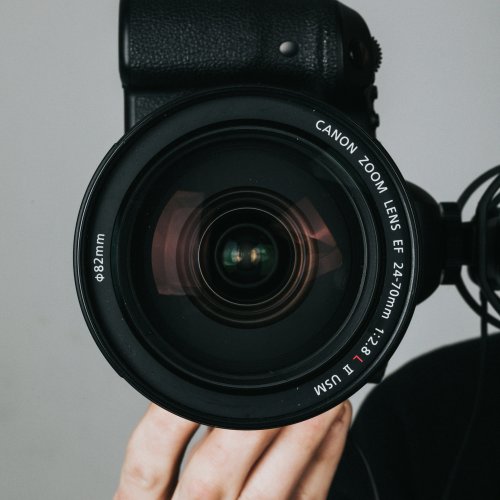
One of the biggest challenges was conveying something deeply internal and emotional within a short runtime, under five minutes. There was very little room for exposition. Every visual choice, performance beat, and moment in a work of silence has to work extra hard. In this sense, the flow of this piece was largely driven by the musical overture. Overall, I had to place trust in subtlety — and let the natural metre of the camera breathe to enable the audience to fill in any gaps. Technology was key in bringing that vision to life. The film was crafted without fades or much editing from raw footage gleaned on a Panasonic GH6. The film was largely a stand-alone creation from this, somewhat dated yet capable, cinematic device.
Could you share a moment during your short film’s release or distribution where you felt that Masks truly had an impact on the audience? How did that feel for you as the director?
Although there has not been a clear listener for this cinematographic short, I did not want to tell a story or gather a firm audience in the first place. This was a surrealist and Dada-styled reformulation of human identity through the lens, and, I am happy with the outcome thus far. Although the scope, range of distribution and projection for Masks has been limited, I would gather that this amateur short is both provocative and in some abstract way inhabits a space of resistance as far as identity is concerned. Masks is a stepwise project and does not demand much of an audience. Overall, the cardinal focus has been on becoming and not identity as a static definition and, despite the other participants in this project, it must be noted that Masks, was overwhelmingly a solo endeavour.
Why do you create? What is your motive, and what pushes you to explore the topics you explore in Masks?
Film allows the individual to explore difficult emotions, questions, and contradictions in a way that feels honest and human. The motive wasn’t to provide answers, but to spark reflection and conversation. With Masks, one goal was to explore desire and vulnerability, alongside, personal space and the notion of impossibility. The notion of impossibility can also provide scope for both resistance and emancipation. In this sense, contemporary short film may aptly grapple with the complex notion of psychopolitics whilst effecting procedures of subjective individuation. Individual agency is particularly salient in a neoliberal age of acceleration and hyperstition, brought about by everything from ecocide to the development of the forthcoming singularity. I think this impacts the confronting of uncomfortable truths through voicing resistance, particularly through film.
A lot of people on indie-clips.com are independent and/or beginning filmmakers. Can you share one piece of advice for filmmakers making their first short film?
Focus on developing images that matters to you personally. Take a leap of faith. Don’t worry about trends, budgets, or trying to impress people — authenticity will always come through. Keep things simple, lean into your limitations, and prioritize strong visual components and clear emotional intent. Location is crucial. However, your first short film doesn’t have to be perfect; it just has to be honest. A creator is an invigorated subject. There are multivarious cinematographic forms and a plethora of ways to express oneself through the art of film.
Any future plans? Tell us more about your upcoming projects!
I’m currently developing a full, character-driven script and continue to explore aspects of identity, and emotional complexity — including ideas for a long-form narrative. I’m enthusiastic about pushing myself creatively and collaborating with new voices and through new techniques. Overall, Masks was a foundational stepping stone, and I’m looking forward to building on that momentum with my next, René Girard-influenced, full-length project that has the working title, Hecatomb which should be released sometime near 2027.
Where can we see your work? Any way our fellow filmmakers can get in contact with you?
My video attempts can be found online and largely consist of both spoken word and short film pieces that seek to develop, beyond the notion of prosaic cinema. I’m always open to connecting with fellow creatives. The best way to reach me is directly on Instagram or email. I favour collaboration and supporting independent voices, and am always happy to engage, brainstorm and develop creative fellowship and community. To paraphrase D.H Lawerence, ‘’Each artist is the salvation of every other artist and together they forge a world that is fit for everyone to live in’’ (Sic).
Watch Masks on Indie-Clips
What's Your Reaction?
 Like
0
Like
0
 Dislike
0
Dislike
0
 Love
0
Love
0
 Funny
0
Funny
0
 Wow
0
Wow
0
 Sad
0
Sad
0
 Angry
0
Angry
0
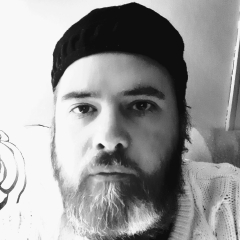
An Amateur poet and maker of short-films from Dublin, Ireland. This soujourner enjoys travel and developing work that incites questions and challanges normativity, because today, more than ever, truth is being brought into question. And yet, through cinema, life becomes more real, authentic and new realms of possibility are developed. More films to come in 2026.








Reviews & Comments (0)