
"Give yourself more time" - Lauren Sowa & Marissa Ghavami "The Knock Shadow"
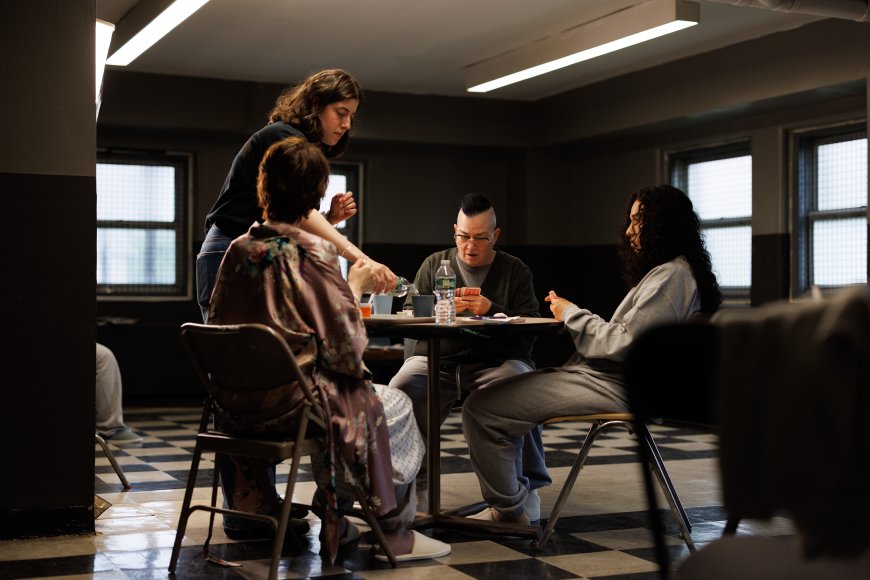
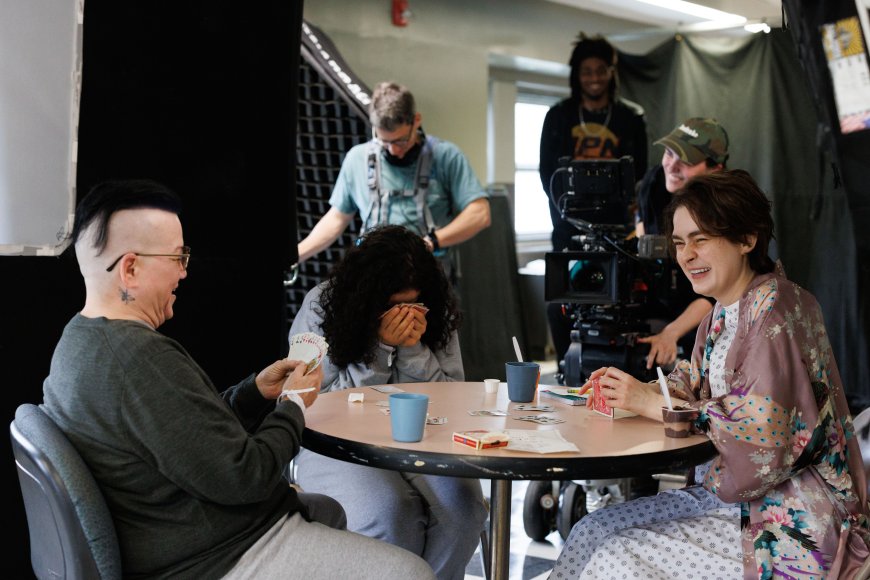
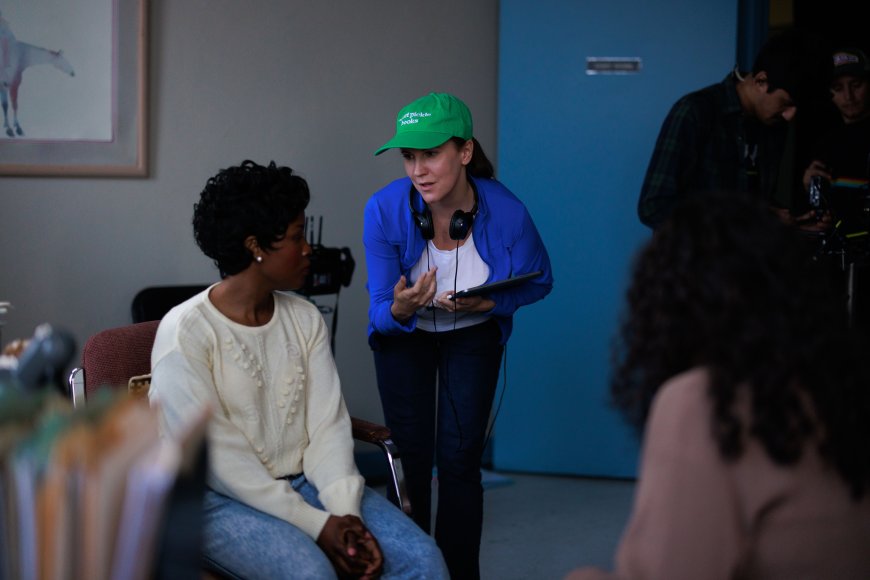
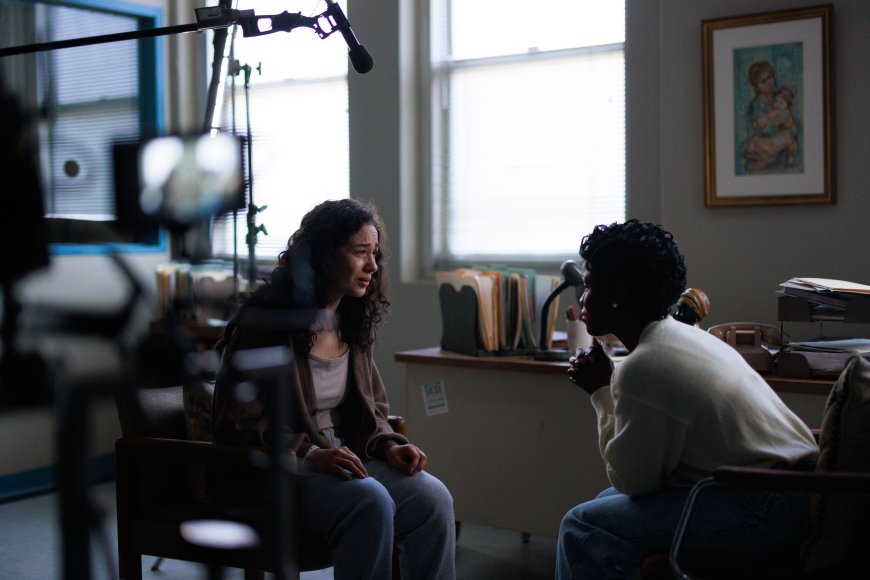
Meet the incredible team behind the upcoming psychological thriller short film, The Knock Shadow, which recently wrapped production and is entering the festival circuit this year. The short, starring Lea DeLaria (Orange Is The New Black) and Kevin Kilner (Earth: Final Conflict), is set in a psychiatric hospital in the 1980s and follows a young female therapist who encounters a patient whose symptoms lead her to question what is real and what isn’t working in the field.

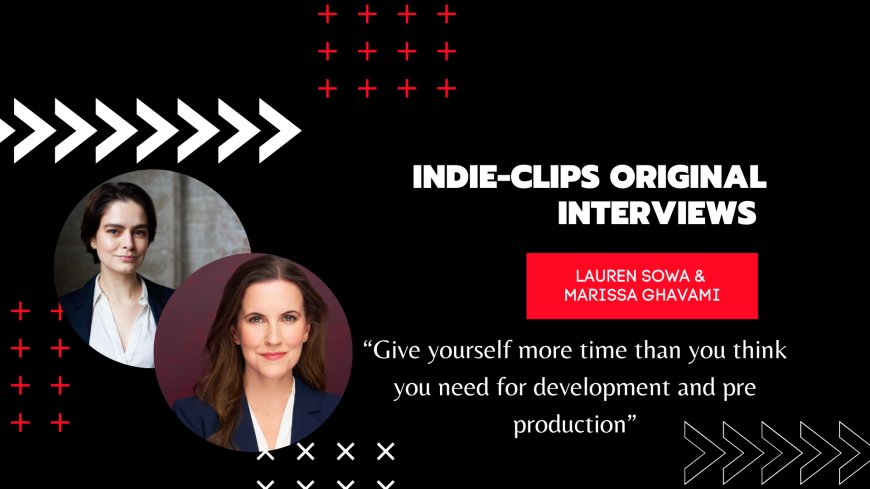
Indie-Clips Original Interview
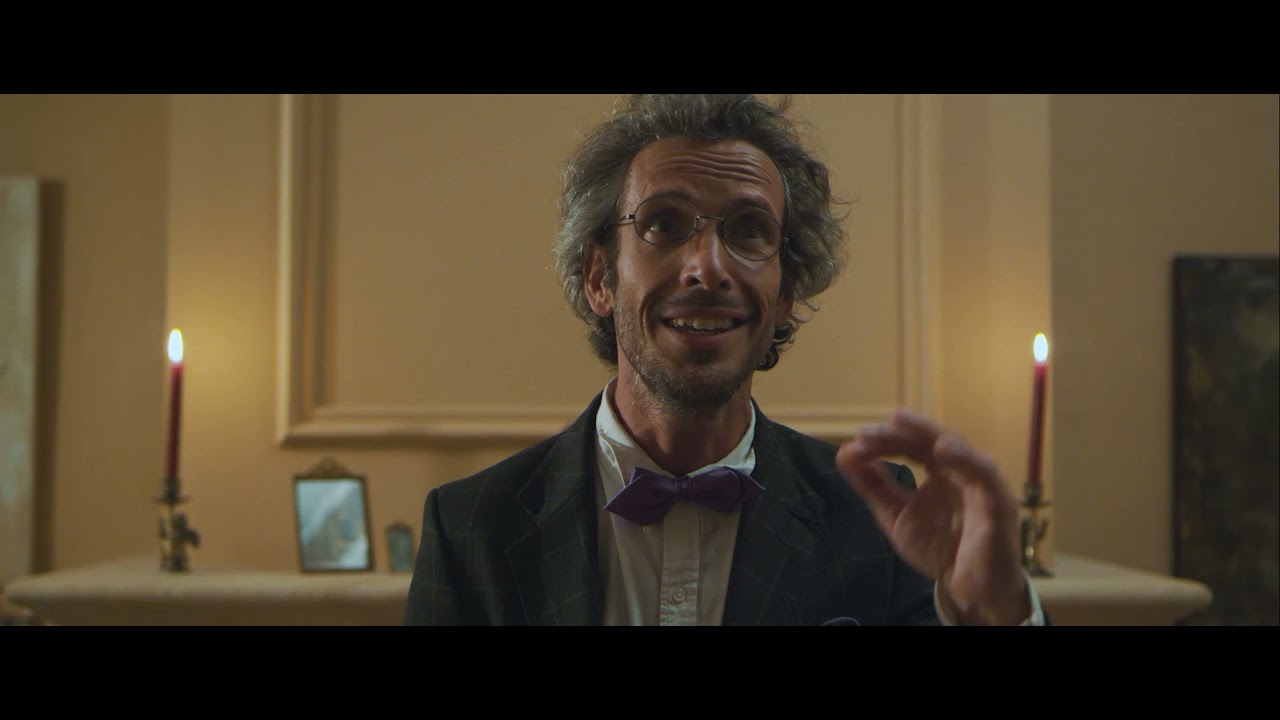
"The Knock Shadow" - directed by Lauren Sowa
Produced by Healing TREE
Lauren, could you tell us more about yourself and your short film?
LS: Sure – I’m an actor and filmmaker based in New York. I attended NYU’s Tisch School of the Arts, where I studied Drama. I got my start in the theatre, performing around the country, before dipping my toes into the film and tv world. My path to directing started back in High School when I took my first film photography class. I learned so much about filmmaking in that class, even though I didn’t aspire to be a filmmaker at the time. Before I began directing, I produced several short films. You learn a lot through boots on the ground production work. I highly recommend it. The Knock Shadow is my third short film as a director. It follows a young female therapist at a psychiatric ward in the ‘80s as she encounters a patient whose symptoms lead her to question what is real and what isn’t working in the field.
Written by Ren Dara Santiago (Let the Right One In), the film stars Lea DeLaria (Orange is the New Black), Elizabeth Ramos (Poker Face), Kevin Kilner (Earth: Final Conflict), and Kenisha Pinckney.
Through the lens of psychological thriller and horror, the film examines the birth of the modern trauma field. While the story is fictional, it draws heavily from historical events and first-hand accounts of trauma experts working at the time. Shot in an abandoned psych ward on Staten Island, and produced by the non-profit Healing TREE — we are excited to share this film with audiences on the film festival circuit very soon!
Marissa, can you tell us about Healing TREE and your mission?
MG: Absolutely. Healing TREE (Trauma Resources, Education & Entertainment) is a 501(c)(3) non profit that advocates healing from abuse and trauma rather than coping with the symptoms, in order to transform lives and, ultimately, society. We achieve this by providing trauma-focused resources and education and by producing and partnering with relevant film, television, and theatre, empowering the social change necessary to create a healing movement. I founded the organization 11 years ago and served as Executive + Artistic Director until the start of 2026 when I transitioned to Board President and continued to creative produce our arts projects. Since we were founded, Healing TREE has collaborated with several of the world’s leading trauma experts and internationally renowned artists. The Healing TREE partner film Mass, for example, which I also co-produced, was written and directed by Fran Kranz, and stars Emmy Winners Ann Dowd and Martha Plimpton, Tony Winner Reed Birney and Jason Isaacs. Mass premiered at Sundance, was acquired by Bleecker Street, had a theatrical release, won the Robert Altman Award and was a Gotham, Critics Choice and BAFTA nominee. Healing TREE has also partnered with Aetna, which is under the CVS (Fortune 5) umbrella, on a groundbreaking EMDR Therapy Training initiative. As of Spring 2026, we will have brought life-saving, trauma-focused treatment to nearly 40,000 folks in marginalized communities per year who otherwise wouldn’t have access to it. Our first short film, which I produced alongside Lauren (and co-wrote with award-winning playwright David Caudle) was Silk, which was directed by John Magaro (Past Lives, Carol, The Big Short) and stars Fran Kranz, Louisa Krause, Garcia and Crista Marie Jackson. It follows a gifted aerialist who struggles to recognize she’s being gaslit by her boyfriend. It was loosely inspired by the 1944 Academy Award-winning film Gaslight, which is where we get the term “gaslighting” from. It was an official selection at the Academy Award-qualifying Reel Sisters of the Diaspora Film Festival, among others. Healing TREE built workshops around it on the most insidious red flags of abuse and trauma. We started out doing these screenings and workshops for high school and college students, but we expanded them to members of the army at Fort Knox, family court lawyers and judges, domestic violence and addiction shelter staff and clients, and more. We have provided scholarships for these workshops for about five years and close to an equal number of perpetrators as victims have self identified after these sessions, with a significant number of folks committing to seek healing through Healing TREE’s resources.
What inspired you to spark a project around this theme?
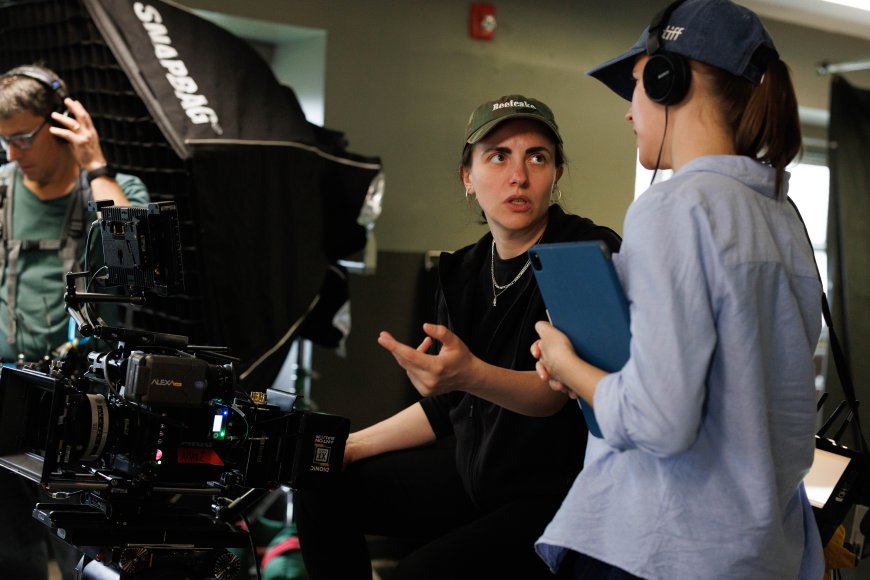
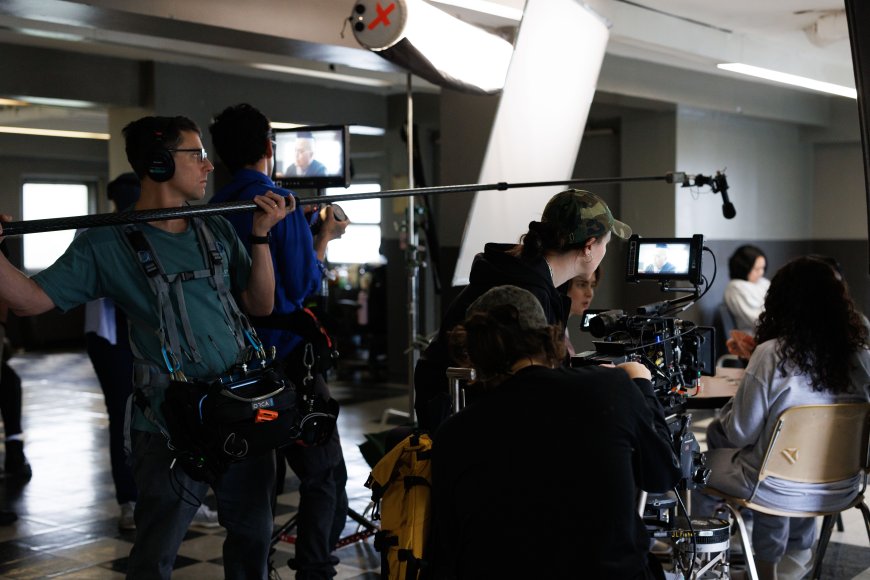
LS: I’ve known Marissa for several years now. I actually produced Healing TREE’s first short film, Silk, so I was attached to this project from the beginning as a producer. Once we got to the script stage, I was brought on to direct, and it was important to me that we create something that was equally entertaining and educational. Most of the work I make has a social impact element, and I truly believe that storytelling can help open hearts and create positive change in the world.
MG: I had a personal experience with severe trauma in my late adolescence, surviving a one-on-one cult and experiencing various forms of abuse. By the time I got out, I had endured total brainwashing and was completely unrecognizable to my former self. I was diagnosed with Complex Post-Traumatic Stress Disorder (C-PTSD) and Psychogenic Non-Epileptic Seizures (PNES) which was very lucky, because I had symptoms of several severe mental illnesses that are thought to be incurable, as well as of multiple, chronic physical illnesses. I was extremely fortunate to have supportive parents and a mother who researched around the clock and advocated for my healing. After 5 years of receiving trauma-focused treatment, I was able to make a full recovery. During this process, I discovered that a misunderstanding of abuse and trauma in all of their forms was common among the public and professionals alike, preventing countless others from getting the help they need. I learned that trauma - whether from physical, sexual or emotional abuse, war, systemic oppression, having a loved one who is addicted, etc. - is a public health crisis, as evidenced by the CDC-Kaiser Permanente’s Adverse Childhood Experiences (ACE) Study. I saw how it contributes to nearly all of the toughest issues our society faces. I became determined to help make trauma-focused treatment (which currently makes up only about 10% of the mental health treatment in this country) more widespread and accessible to help effectively turn the tide on these issues. I founded Healing TREE in order to reclaim the horrific experience I lived through and create the change I wanted to see and knew our country so desperately needed. I’ve been acting and singing professionally since I was a kid, but my producing work came from a place of wanting to merge my artistry with my advocacy work. While my focus has been theatre as a performer, it has been film as a producer because of the potential for widespread impact. It was during my time running Healing TREE that I started producing films as a vehicle for social change.
I’ve wanted to tell a story about the start of the trauma field for 16 years, since I got out of my own traumatic situation, with the hope being that folks can learn about trauma, and what modalities can best support healing from it, all while being entertained in their living rooms. I’m super passionate about using first-rate art to make a macro impact and create a supply and demand shift in the field through increasing public awareness. I produced and acted in The Knock Shadow, alongside Lauren who also directed. It features two-time Emmy Award winner and three-time SAG Award winner Lea DeLaria (Orange Is The New Black) and Kevin Kilner (Raising Helen, Home Alone 3) and was written by Lanford Wilson Award-winning and Showtime series staff writer Ren Dara Santiago. It’s a short, psychological thriller set in the 1980’s centered on a young female therapist at a psychiatric ward who encounters a patient whose symptoms lead her to question what is real and what isn’t working in the field. The short is essentially a proof of concept for a television series which will explore the origins of the modern trauma field, through the lens of a psychological thriller. Having this dream come to life - with a mind-blowing team who has made it so much better than and far beyond what I ever imagined - means so much to me.
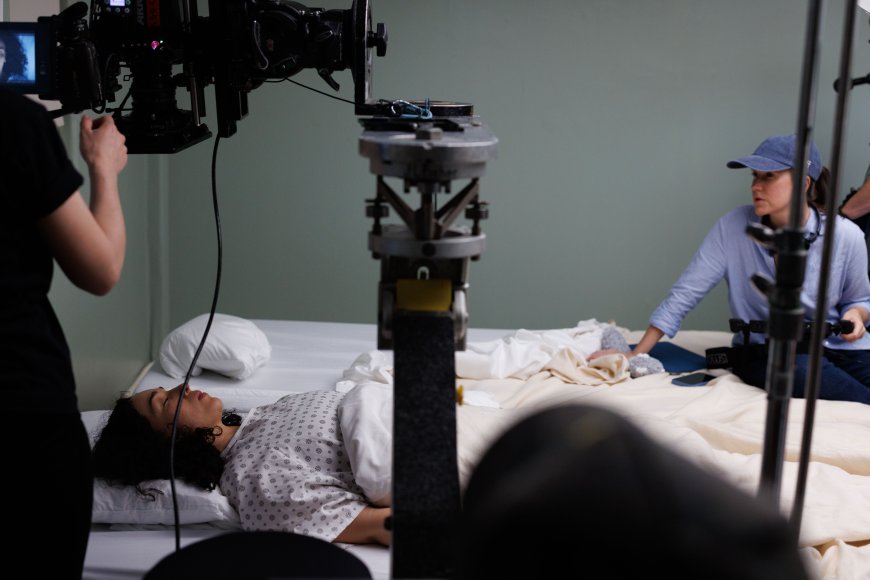
What was the biggest challenge you faced during the production of your short film? How did you overcome it?
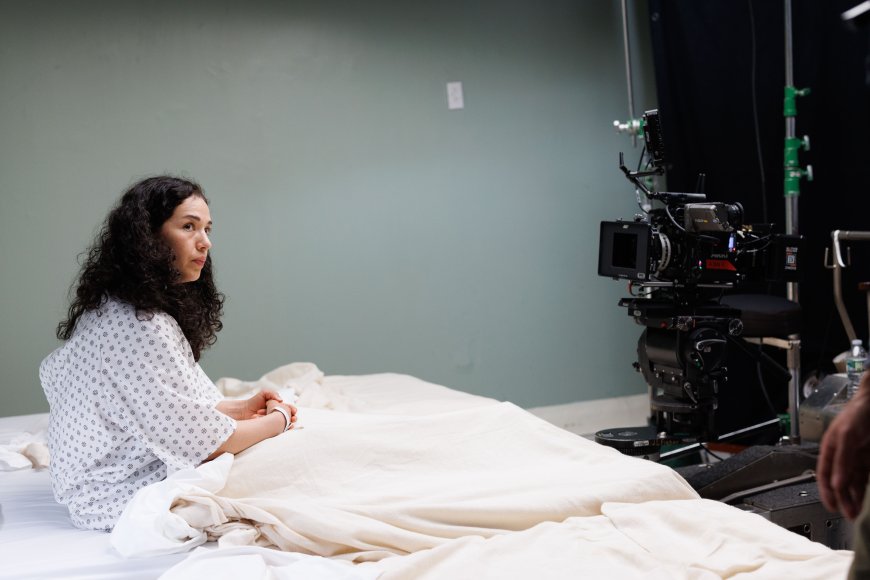
LS: From my perspective, the biggest challenge was balancing market demands with what the story needs. Often for short films you hear that ‘shorter is better,’ but I often tell filmmakers that the story should dictate the length. We worked hard in development to keep the script at a reasonable length, but then during production we were getting such beautifully nuanced performances, that I knew instantly the film would need to breathe. And sure enough, during the edit, I asked for a 15-min cut, and I felt that all the subtlety and tension dissipated. So I accepted early in post that the film would run longer than anticipated, and the cut that felt right landed at 19-minutes. The producer in me knows that longer short films are harder to program, but I truly feel that this film is the perfect length for this story.
MG: The biggest challenge actually happened during pre-production, not production, which was probably the most magical artistic experience I’ve ever had. I’m sure no one will be surprised when I say it was securing funding. The Knock Shadow was supported by Otsuka and Lundbeck and they were absolutely ideal in our collaboration. However, we needed to secure additional funds to execute the project to the fullest extent of our vision. I overcame this challenge by being really honest with my community about what we were trying to achieve and why it was so important. I asked folks to share about the project with others who might be interested and able to support us. Because I’m so genuinely passionate about this work, I think that energy was contagious, and I was amazed by and deeply grateful for the support we received to make it happen. An enthusiastic vision, loads of determination, a clear pitch deck and a wonderful team go a long way.
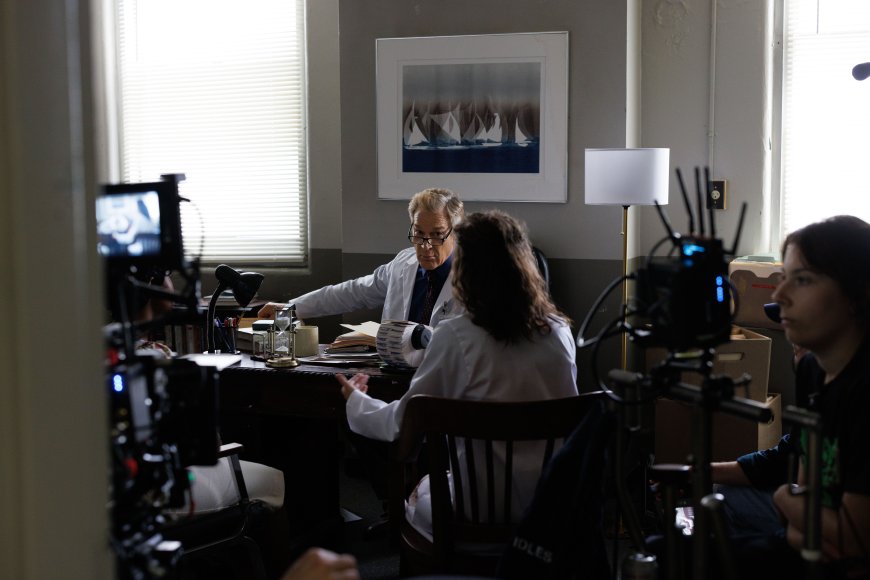
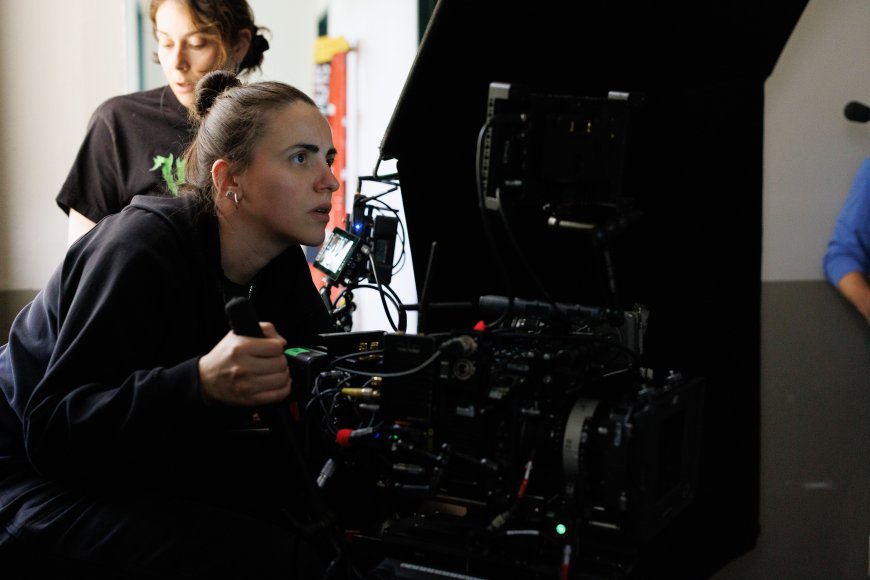
This is a delicate question, but one that resonates with us as artists: why do you create? What is your motivation, and what drives you to explore the themes you explore?
LS: I’ve always been drawn to stories with social impact. For me, it’s a form of activism. I tell stories to foster empathy, and to create positive change in the world. I’ve covered topics such as immigration, foster care and adoption, women’s rights, and mental health, among others. I love what I do, and I am immensely grateful to be able to share my creative voice.
MG: As an actor and singer, I create because I have to. It feels like a desire that was put in me since before I can remember. It’s just something that has always been inside of me from the time I was watching old movie musicals and recording myself “auditioning” for them (despite them already having been made, ha!) on a camcorder when I was 5. It makes me feel more alive than anything else and I feel like I’m answering my calling when I do it. As a producer, I create foremost out of advocacy. It’s become a part of my life’s mission to advocate for healing trauma to make the world a better place and I truly believe the arts can open hearts and minds in a way that other efforts just can’t. A secondary motivation as a producer is to create the types of projects I want to act in and to make work for myself and my friends in a business that is rapidly becoming harder to achieve without doing so. My lived experience drives me to explore the themes I explore as a producer. And even just as an actor, I now bring that trauma-informed lens to my roles.
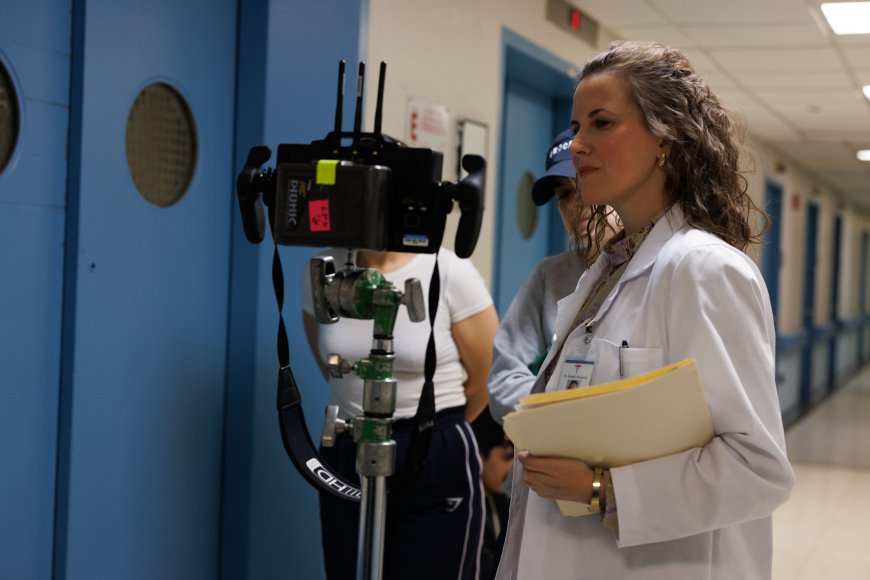
Many people on indie-clips.com are independent and/or beginner filmmakers. Could you share a piece of advice with our audience, who might be making their first short film?
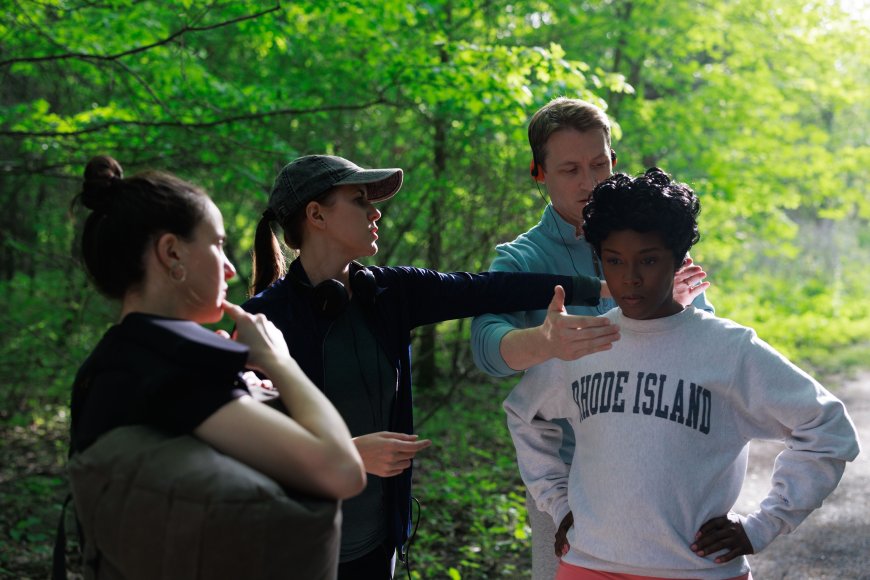
LS: Give yourself more time than you think you need for development and pre-production. Often folks want to rush to the “fun part,” actually being on set, but I can tell you that most of your issues on set could have been solved in the script stage, or during pre-pro. So be thorough, learn producing, and don’t skip corners. You’ll thank yourself later!
MG: Firstly, I’m cheering you on! It’s a brave endeavor and we need your art. I would advise you to get ridiculously clear about your “why”. Once that happens, it’s so much easier to secure a team of people who are moved by your idea and want to help bring it to life. It’s also vital to keep you going when everything is going wrong and you’re losing motivation. Find your people, don’t be afraid to say when you don’t know the answer to something and believe in the importance of sharing your art with the world.
Where is ‘The Knock Shadow’ going next? Any updates on its festival run?
MG: We don’t yet know where our film festival premiere will be! If you follow us on Instagram @theknockshadow you can stay up to date on the life of the project!
Where can your work be seen? How can our fellow filmmakers get in touch with you?
LS: I currently have two films on Omeleto - Brett Was a F*ck, and It’s Not You… It’s the Aliens! I have a few other shorts in festivals at the moment, and I am most active on Instagram @laurensowa. You can learn more about me on my website - www.laurensowa.com.
MG: You can learn more about all of my work and where it can be seen on my website, which is www.marissaghavami.com. You can contact me directly and my reps there and you can connect with me on Instagram @marissaghavami. Healing TREE’s website is www.healingtreenonprofit.org and you can follow us on Instagram @healingtreeorg. I love meeting new, like-minded creatives, so please feel free to reach out!
What's Your Reaction?
 Like
0
Like
0
 Dislike
0
Dislike
0
 Love
0
Love
0
 Funny
0
Funny
0
 Wow
0
Wow
0
 Sad
0
Sad
0
 Angry
0
Angry
0











Reviews & Comments (0)