


The Best Filmmaking Gear Under $1,000 for Your No-Budget Short Film
Build a complete short film kit for under $1,000 — camera, audio, lighting and support. The smart way to spend a micro-budget, from filmmakers.
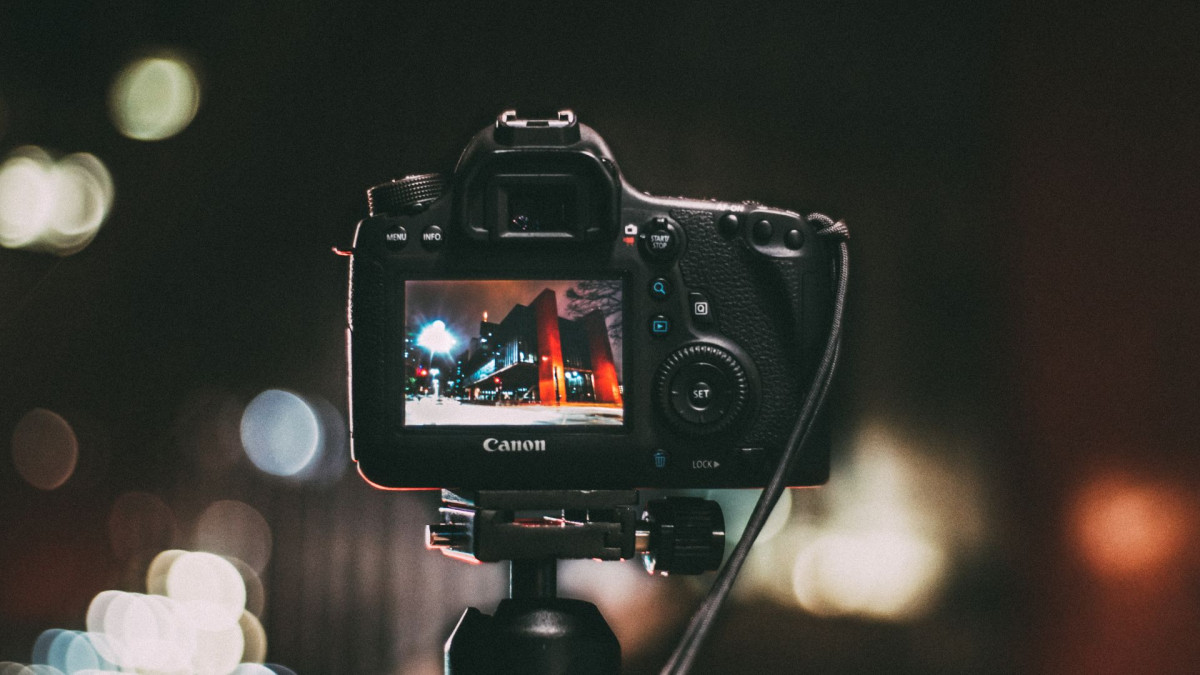
Here is the mistake almost every first-time filmmaker makes: they save up around a thousand dollars, spend nine hundred and ninety of it on a camera body, and then record the dialogue on the microphone built into it.
The result is a film that looks decent and sounds like it was recorded in a bathroom — which means it looks amateur, because that is how audiences experience it. A short film is not a camera. It is an image and sound and light and stability, and a thousand dollars is genuinely enough to cover all four if you split it intelligently.
This guide shows you how. One honest caveat first: a $1,000 kit is not really "no budget" — it is a smart micro-budget. If you have nothing at all, skip to the smartphone section near the end, because that route is more viable than most people admit. And since gear prices move constantly, treat the numbers below as allocation guidance rather than fixed price tags, and check current prices before you buy.
The one rule of a low-budget kit
Spend on the whole chain, not one link.
The professionals whose work you admire are not winning because their cameras cost more. They are winning because they solved lighting, sound and stability before they worried about sensors. Those three things are what separate footage that looks intentional from footage that looks accidental — and all three are cheap compared to a camera body.
There is a creative argument here too. A constrained budget forces you to plan. You cannot fix a badly composed shot with an expensive lens, so you learn composition. You cannot mask a noisy room with a better sensor, so you learn to listen before you record. Constraints teach faster than money does.
How to split $1,000 across a real filmmaking kit
| Category | Rough budget | Why it matters |
|---|---|---|
| Camera body (used or entry-level mirrorless) | $450–600 | Good enough beats expensive; buy used and put the savings elsewhere |
| Audio (shotgun mic and/or lavalier) | $120–180 | The single biggest quality jump per dollar in the whole kit |
| Lighting (one LED panel plus diffusion/bounce) | $80–120 | Turns a shot from "accidental" into "designed" |
| Support (tripod, plus a budget gimbal if possible) | $80–120 | Stability reads to an audience as competence |
| Storage and extras (cards, batteries, ND filter) | $80–120 | The things nobody budgets for and everybody needs on set day |
That is roughly $810 to $1,140 — deliberately flexible, because you will find some things on sale and some things secondhand. The proportions are the point: never let the camera swallow more than about sixty percent of the total.
The camera: what to look for under about $600
Think in categories before brands.
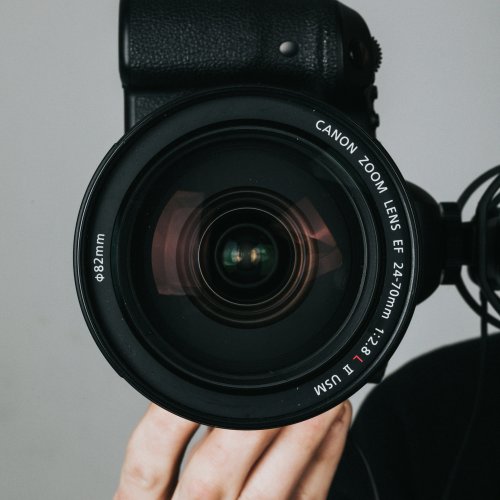
Entry-level mirrorless is the default answer. APS-C and Micro Four Thirds bodies from Sony, Fujifilm, Panasonic, Canon and Nikon regularly sit under $1,000 new and well under $600 used, and shoot 4K with respectable dynamic range. Micro Four Thirds deserves a specific mention for budget filmmakers: the lenses are smaller, lighter and considerably cheaper than full-frame glass, which matters enormously when your lens budget is what is left over.
Used DSLRs are the cheapest genuine route to a "cinematic" image. They are clunkier to operate than modern mirrorless bodies, but older video-capable DSLRs shoot perfectly usable footage for a fraction of the price.
Dedicated cinema cameras occasionally fall into range secondhand — small-sensor Blackmagic bodies, for example — and reward you with excellent colour and raw workflows at the cost of poor autofocus, short battery life and a need for fast storage. Choose this only if you are prepared to work manually.
Three buying principles that matter more than the model you pick:
- The lens affects your image more than the sensor size. A modest body with a fast prime will beat an expensive body with a slow kit zoom, especially in low light.
- Check for a microphone input. A camera without a mic jack forces you into a separate recorder and syncing in post. Not fatal, but avoid it if you can.
- Buy into a lens mount you can grow with. Bodies get replaced; lenses stay with you for a decade.
Audio: the cheapest way to sound professional
If the budget table above only allows you one upgrade, make it this one.
Your camera's built-in microphone captures the whole room equally — every reflection, the fridge, the traffic, the wind. Dialogue recorded that way sounds thin and distant, and no amount of post-production will convincingly fix it.
You have two main options, and ideally you own both eventually:
- An on-camera shotgun microphone. Compact, mounts to the camera's hot shoe, and on many models powers off the camera so there are no batteries to forget. It rejects sound from the sides and captures what you point it at. Add the furry windshield — outdoors, without one, wind will destroy your take.
- A lavalier microphone. Clipped to your actor, it gets the microphone close to the mouth, which is the real secret of good dialogue. Wired lavs are extremely cheap; wireless sets cost more but free your actors to move.
The universal principle: get the microphone close to the sound source. That single rule outperforms any amount of money spent on the camera. For the wider craft, read our piece on the importance of sound design in short-form video content.
Lighting: one light changes everything
You do not need a three-point kit. You need one controllable light and something to shape it with.
A single bi-colour LED panel in the $60–100 range, placed off to one side rather than pointed straight at your subject, immediately produces a shot that looks designed. Add a piece of white foam board to bounce a little light back into the shadows and you have a two-source setup for the price of a takeaway meal. Add a cheap diffusion sheet and harsh light becomes soft, flattering light.
Small RGB pocket lights are worth knowing about too. Battery-powered and magnetic, they hide behind furniture or inside a set to add a colour accent — the trick that makes a modest interior look deliberately lit rather than merely visible.
And remember the free light. The sun is the best source you will ever have; a bounce board and a diffusion panel let you control it. Shooting near a large window with a bounce card on the shadow side costs nothing at all.
Support and stabilisation
Shaky footage reads as amateur even when everything else is right, and steady footage reads as competent even when it is simple.
Buy a tripod first. A basic video tripod with a fluid head lets you pan and tilt smoothly instead of jerking. Avoid the very cheapest photo tripods — a wobbly head is worse than no tripod at all. For specific recommendations, see our roundup of the three best camera tripods for filming.
Then consider a gimbal. A budget gimbal turns a shaky walk-and-talk into smooth, intentional motion. If the money is not there, a phone gimbal is an inexpensive alternative that pairs with the smartphone route below. And if you cannot afford either, the classic trick still works: brace against a wall, tuck your elbows in, and move slowly.
The boring essentials nobody budgets for
- Fast memory cards and storage. 4K fills cards quickly, and a card too slow for your camera's bitrate will simply stop recording mid-take. An external SSD is worth it if your camera records externally.
- Spare batteries. Mirrorless battery life is poor, and shoot days are long. Two spares minimum.
- A variable ND filter. Outdoors, ND filters let you keep a wide aperture and a proper shutter speed instead of stopping down and losing your shallow focus. One good filter that fits your largest lens, plus step-up rings, is far cheaper and smarter than a filter per lens.
The honest alternative: your smartphone plus good sound and light
If a thousand dollars is not available, this is not a consolation prize.
A recent smartphone paired with a decent microphone and one light will beat a cheap camera kit with bad audio and no lighting, every time. Modern phones shoot high-quality video, some record in professional formats and log profiles, and the multiple lenses give you genuine focal length options. Award-winning shorts have been shot this way, and the BFI's own micro-fund for young filmmakers explicitly encourages shooting on whatever device you already own.
The smartphone budget looks like this: microphone (with a phone adapter), a small LED light, a phone gimbal or tripod mount, and free editing software such as DaVinci Resolve. That is a complete filmmaking kit for a fraction of a thousand dollars, and the constraint will not show on screen if you light and record sound properly.
If you are curious about what else is changing in the low-budget toolkit, our piece on AI video tools for indie filmmakers covers what the new software actually does — and what it does not.
Where your money is better spent than on gear
An uncomfortable truth to end on: after a certain point, more equipment stops improving your films.
Composition, blocking, a disciplined shot list, a quiet location, an extra rehearsal with your actors — none of these cost anything, and all of them will improve your short film more than upgrading from a good camera to a slightly better one. Filmmaker Islam Gimazov makes this case well in our interview on making the best of your limited budget.
Before you buy anything, read what to know before you make your first short film and our guide to budgeting a short film. If the kit is genuinely out of reach, there is money available — see our guides to short film funding in the US, UK and Europe.
Building your first kit? Create a free Indie-Clips account to save this guide, explore more filmmaking articles, and subscribe to our newsletter for practical guides written by filmmakers. When your short is finished, submit it to Indie-Clips — we publish independent shorts from around the world.
Frequently Asked Questions
What's Your Reaction?
 Like
0
Like
0
 Dislike
0
Dislike
0
 Love
0
Love
0
 Funny
0
Funny
0
 Wow
0
Wow
0
 Sad
0
Sad
0
 Angry
0
Angry
0

Co-founder of Indie-Clips.com
















Reviews & Comments (0)