


How Isabella De Fortibus Was Made: Indie Filmmakers on Creating a 13th-Century Historical Drama
Isabella De Fortibus is an upcoming independent historical short film that tells the true story of one of medieval England’s most powerful yet overlooked women. Set in the 13th century, the film follows Isabella De Fortibus, the last independent ruler of the Isle of Wight, as she fights to protect her land, authority, and freedom from the English crown. In this exclusive interview, producer, writer, and lead actress Sorcha Verey, co-producer and actor Florian Hencher, and director Majid Khan discuss the inspiration behind the project, the challenges of creating a period drama on an independent budget, and the importance of bringing forgotten female historical figures back into the spotlight. The team also shares insights into filming at authentic historical locations including Carisbrooke Castle, costume and production design, directing under tight schedules, and the collaborative process behind the film’s striking visual style. Blending historical authenticity with cinematic story

Please introduce yourselves and tell us about your project
Florian Hencher — Actor & Co-Producer
“My name is Florian Hencher, and I’m an actor and co-producer of the film, with a background in coaching actors and performance development. I also worked as the concept artist for the project, helping to shape the character’s authentic 13th-century aesthetic and visual identity.”
Sorcha Verey — Producer, Writer & Lead Actress
“Our project is a short film based on the true story of Isabella De Fortibus in the 13th century. I am at the helm of the project as producer, writer, and actress portraying Isabella in this short film.
It is a story close to my heart as she was the ruler of the Isle of Wight, which is my home. Many islanders call her ‘The Queen’ of the island and she kept it independent until her death. Her story resonates with me as it is one of defiance, freedom, and female empowerment.”
Why does her story deserve attention today, and what inspired you to make this short film?
Florian Hencher
“As a British actor with a background in historical reenactment, I was immediately drawn to Isabella De Fortibus’ story because it highlights a fascinating piece of history that rarely receives mainstream attention.
Historical dramas often focus on the same eras and well-known figures, while remarkable women like Isabella are overlooked. I’ve seen countless stories centred around Anne Boleyn, yet very little about Isabella and her fight to defend her independence, authority, and rightful inheritance.
Bringing her story to life felt both exciting and important.”
Sorcha Verey
“Isabella De Fortibus was one of the wealthiest women of her time, owning vast amounts of English land through inheritance. She was in the unusual position of being an autonomous female ruler in 1264.
Isabella was the last lord of the Isle of Wight, which she fought to keep independent from the crown until her deathbed. I believe her defiance against powerful leaders, who constantly attempted to snatch her lands away from her, speaks volumes in today’s political climate.
Her story resonates with me specifically because I was born and raised on the Isle of Wight, her primary home. The love I have for my home’s history and culture, combined with my passion for lesser-known historical women, naturally led me to her story.
After much research, I realised there had never been a film made about her — so here we are, the first people telling her story through film.”
Tell us about the locations used in the short film. What is their relevance?
Sorcha Verey
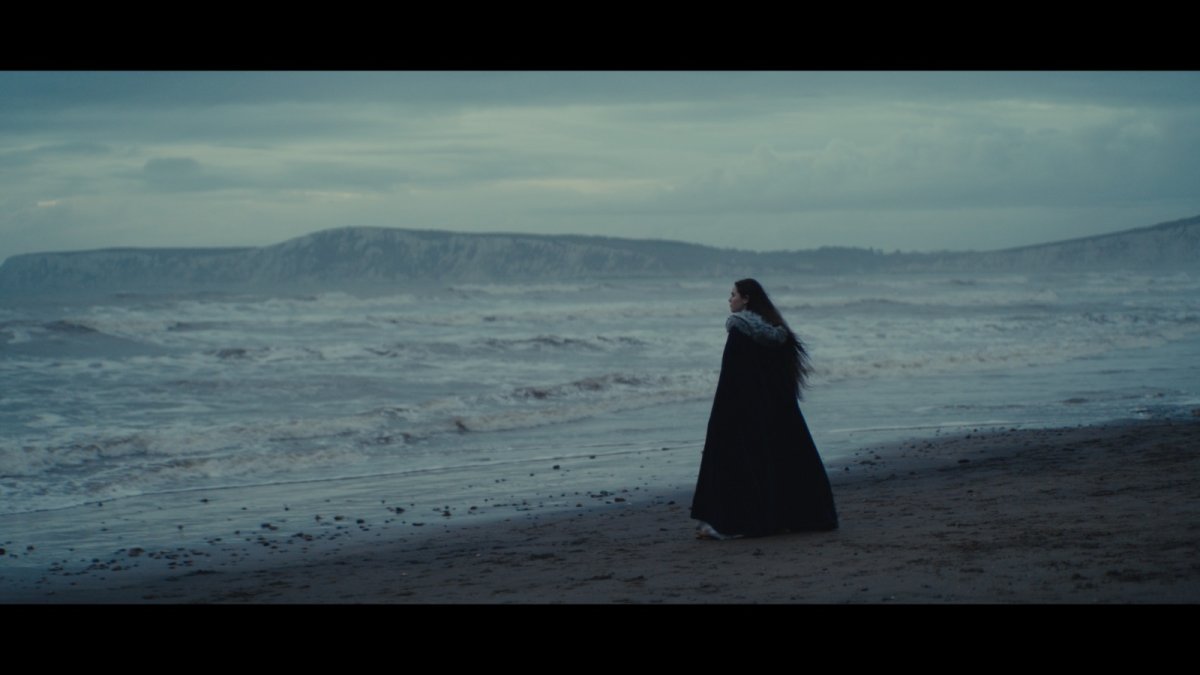
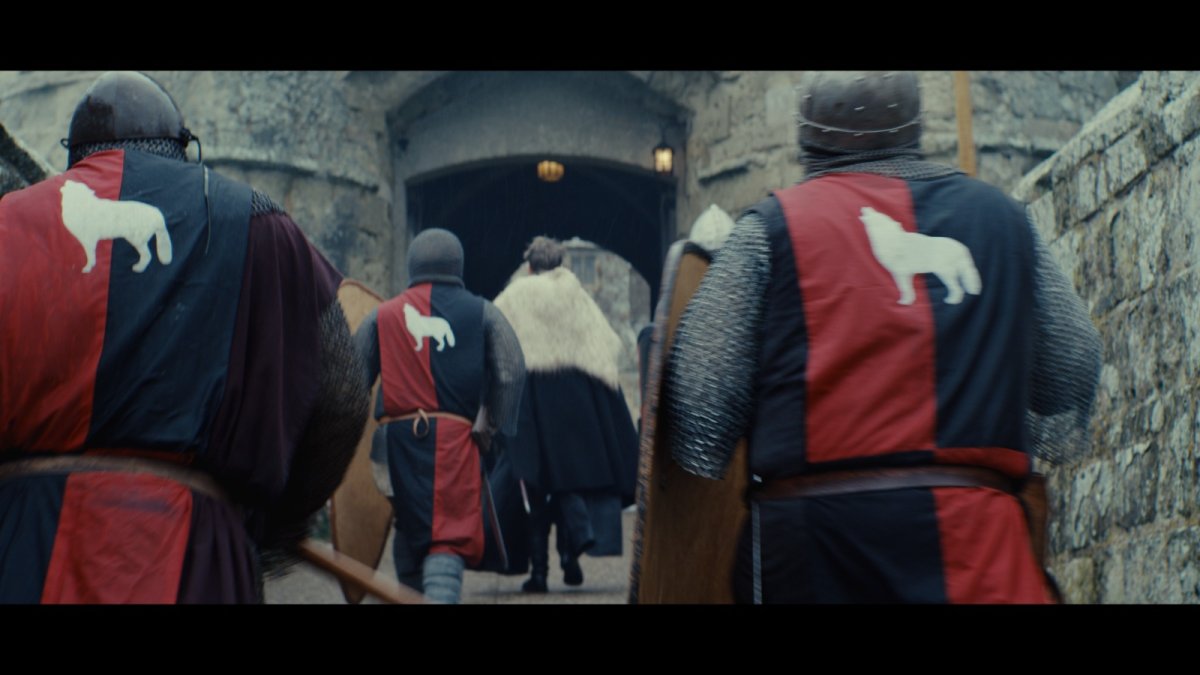
“We used authentic locations that Isabella herself would have walked upon. Carisbrooke Castle was the main focal point in our story, as it was her primary residence — the home she ultimately had to flee.
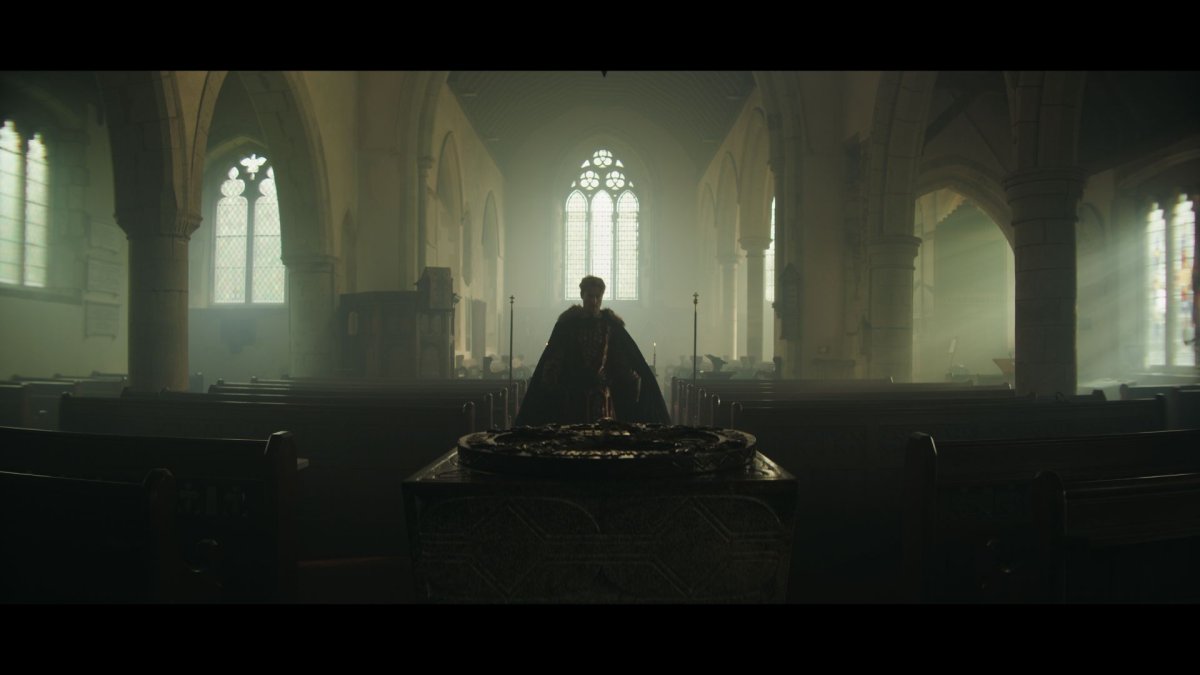
We also filmed at Arreton Manor and Arreton Church (St George’s), locations she would have owned as part of her landholdings.
It was important for me to use these iconic locations, which still stand today and hold such deep roots in island history, to allow audiences to experience the authentic foundations of the story.”
As producers of this short film, can you tell us more about your experience working on the project? What were your priorities, and how did you support the director’s vision during prep and production?
Florian Hencher — Co-Producer
“My main priority throughout this project was supporting and strengthening the script so thoughtfully developed by Sorcha Verey.
Historical filmmaking requires a huge amount of research and development. As both co-lead actor and co-producer, part of my role was shaping the pacing of the script during early editing stages — identifying what could be trimmed back and what could instead be communicated visually rather than through dialogue.
I also carried out extensive research into the character of Simon de Montfort, portraying him as a nobleman driven by what he believed to be his rightful claim, even at the expense of a 13th-century noblewoman’s independence and authority.
Supporting the director’s vision meant maintaining open collaboration, historical accuracy, and professionalism throughout production, particularly within the constraints of a tight shooting schedule.”
Sorcha Verey — Executive Producer
“As an Isle of Wight creative, I applied for the Mike Howley Trust Fund to get the project off the ground.
I started with the story — understanding Isabella de Fortibus as a person, her motives, and her challenges. I then poured hours into researching the history of the period and the political backdrop of 1264.
Once the script was complete, I sent it for feedback from a film festival judge and producer.
The visuals were hugely important for a historical drama, so even more hours went into researching 13th-century fashion. I then used the funding to shoot two scenes with a small team of four, directed by Florian Hencher.
As the project grew — using exterior locations, reenactment companies, additional actors, and completing the story’s narrative — we needed to recruit a director. That’s where Majid Khan came into the picture.
Majid has a production company with his brother, who edits, which made for the perfect post-production team.”
What was the biggest challenge you faced during filming, and how did you overcome it?
Florian Hencher
“One of the biggest challenges was balancing the rapid growth of the project with the realities of an independent film schedule and budget.
Our first stage of filming took place at Thornbury Castle with a very small team — primarily just one DOP alongside Sorcha and myself. It reflected the way we were used to working on smaller productions.
However, as the project gained momentum through funding and interest from streaming platforms, it became clear the scale and ambition of the film were evolving quickly.
With tight deadlines and increasing production demands, I recognised we needed to expand the crew and approach the film with a more structured production model.
To overcome this, we brought in additional crew members and collaborators who shared our passion and vision. Delegating responsibilities and building a stronger production team allowed us to maintain high creative standards despite the time pressures.”
Sorcha Verey
“Throughout the process, challenges and obstacles constantly arose. Even when I thought things were safe, something else would appear.
I had to keep reminding myself that if this were easy, everyone would do it. You just have to brace yourself and push through because I was never going to quit — even though there were many moments where I was tempted.
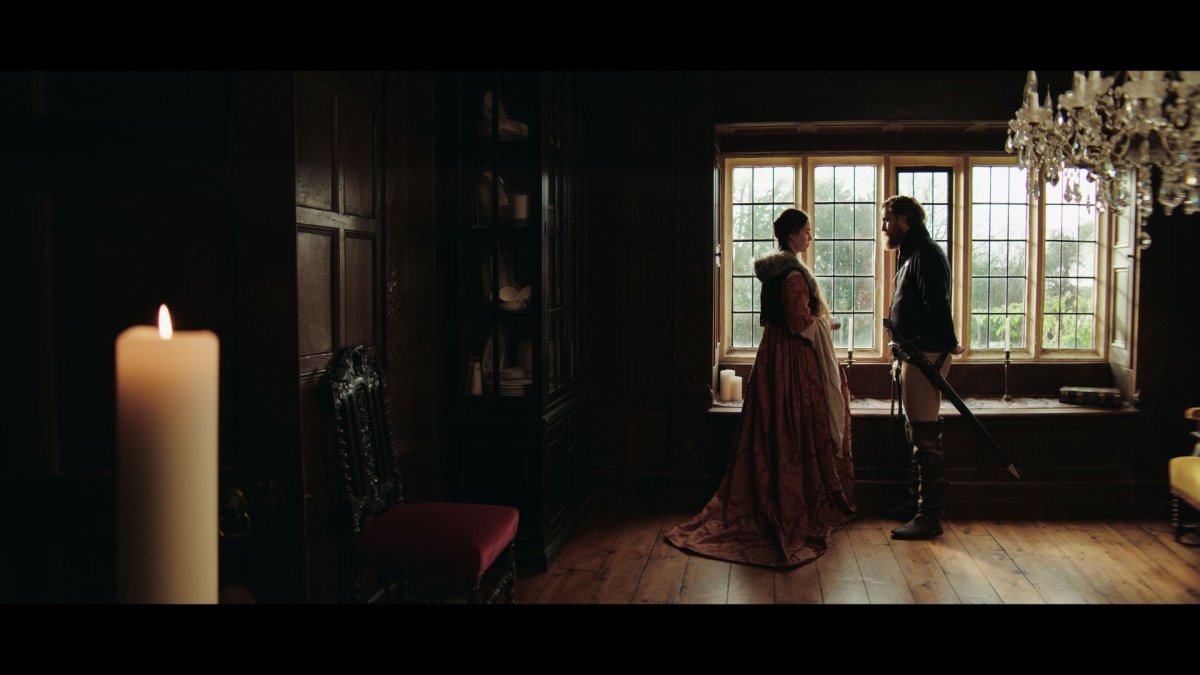
One major challenge was getting permission to film at Carisbrooke Castle. I began the process in February 2025 and didn’t manage to film there until January 2026.
Usually, the trust fund expects a completed project within six months, so negotiations had to take place. On top of that, the weather turned terrible on the filming day — although luckily, it only added to the ambience.”
How was the film financed, and where did the biggest budget challenges arise?
Sorcha Verey
“This film was kick-started by the Mike Howley Trust Fund for young Isle of Wight creatives, which allowed us to complete two scenes in the film.
From there, we needed more budget. Co-producer Florian Hencher helped push a crowdfunding campaign to the right audience, which helped us double our budget.
Alongside additional financial input from myself through working overtime, we managed to scrape together just enough to get through production.
Budget will always be a challenge. I used many of my own resources, network, and connections built over the years.
Period drama is one of the most expensive genres, but the Isle of Wight proved the perfect place to create this project due to the strong community and the incredible support from people who wanted to be involved.”
How did you allocate resources for costume, hair & make-up, and production design?
Florian Hencher
“One of our biggest financial challenges was balancing historical authenticity with the visual standard expected from a cinematic period drama.
Costume, hair and make-up, and production design became areas where resourcefulness was essential.
Historical storytelling is something Sorcha and I have worked within for many years, so over time we’ve built an extensive collection of costumes spanning multiple eras.
Sorcha dedicated an enormous amount of time to designing and constructing her own bridal gown, while I focused on researching character aesthetics that felt visually compelling while still honouring historical accuracy.
We also collaborated with actors and artists who already owned wardrobe pieces appropriate to the period, which significantly reduced costs and elevated the authenticity of the film.
One unexpectedly difficult challenge involved veils and head coverings, as they often interfered with lighting and obscured emotional expression on camera. In the end, we found a balance between historical realism and cinematic storytelling.”
Sorcha Verey
“Again, we had to be resourceful.
As actors producing our own work, we need different skill sets that complement our passion.
We chose actors with a passion for history who already had their own costumes, actors capable of doing hair and make-up, and people with an eye for detail and an understanding of the world we were creating.
We all chipped in.”
Was there much rehearsal between the cast, and how did you approach casting?
Sorcha Verey
“We chose people within our circle whom we had worked with before or who had been recommended to us.
It’s important to know reliable, passionate people.
We held table reads via video calls and rehearsed lines during hair and make-up before going on set.
Sometimes you simply have to work with the little time you have and make the most of it.”
Within your budget, were the cast and crew paid?
Sorcha Verey
“If fees aren’t involved, I always try to give something in return.
Whether that’s a costume piece useful for reenactment or accessories from the film as a thank-you, I believe in giving back.
This was very much a project where we cashed in favours too. So when you’ve done something for free for someone, remember that — and hopefully they repay the favour later.”
As the Director, how did your 1st AD help bring your vision to life?
Majid Khan — Director
“This project was very much a passion-driven and collaborative effort.
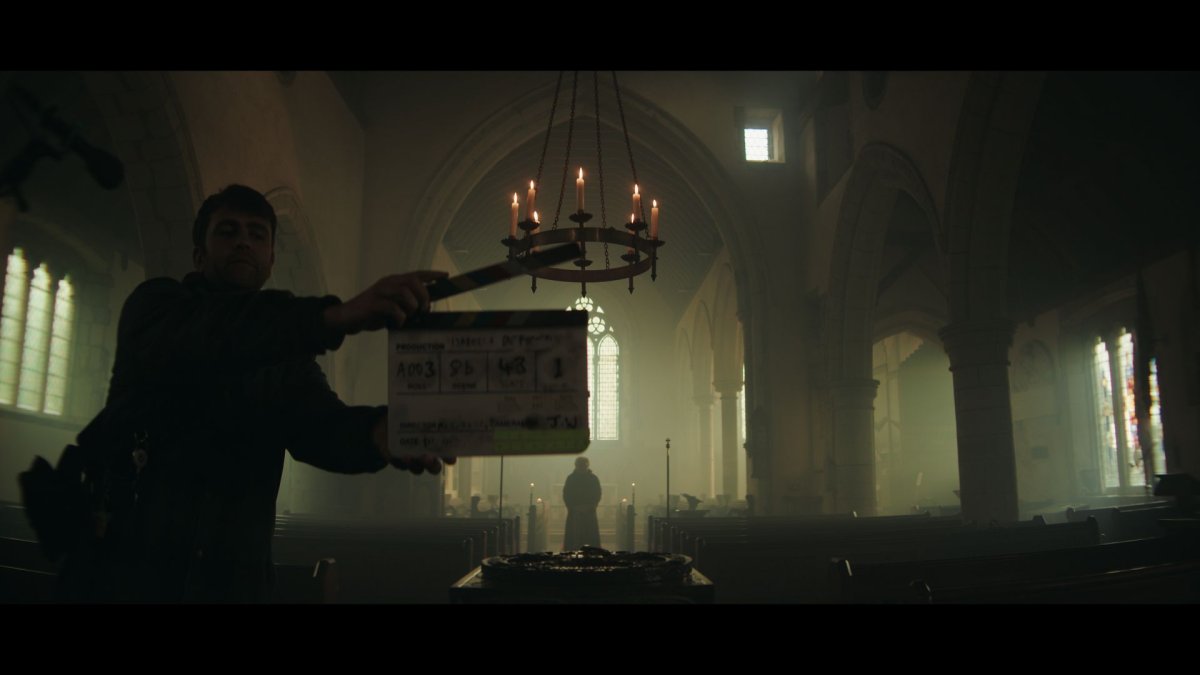
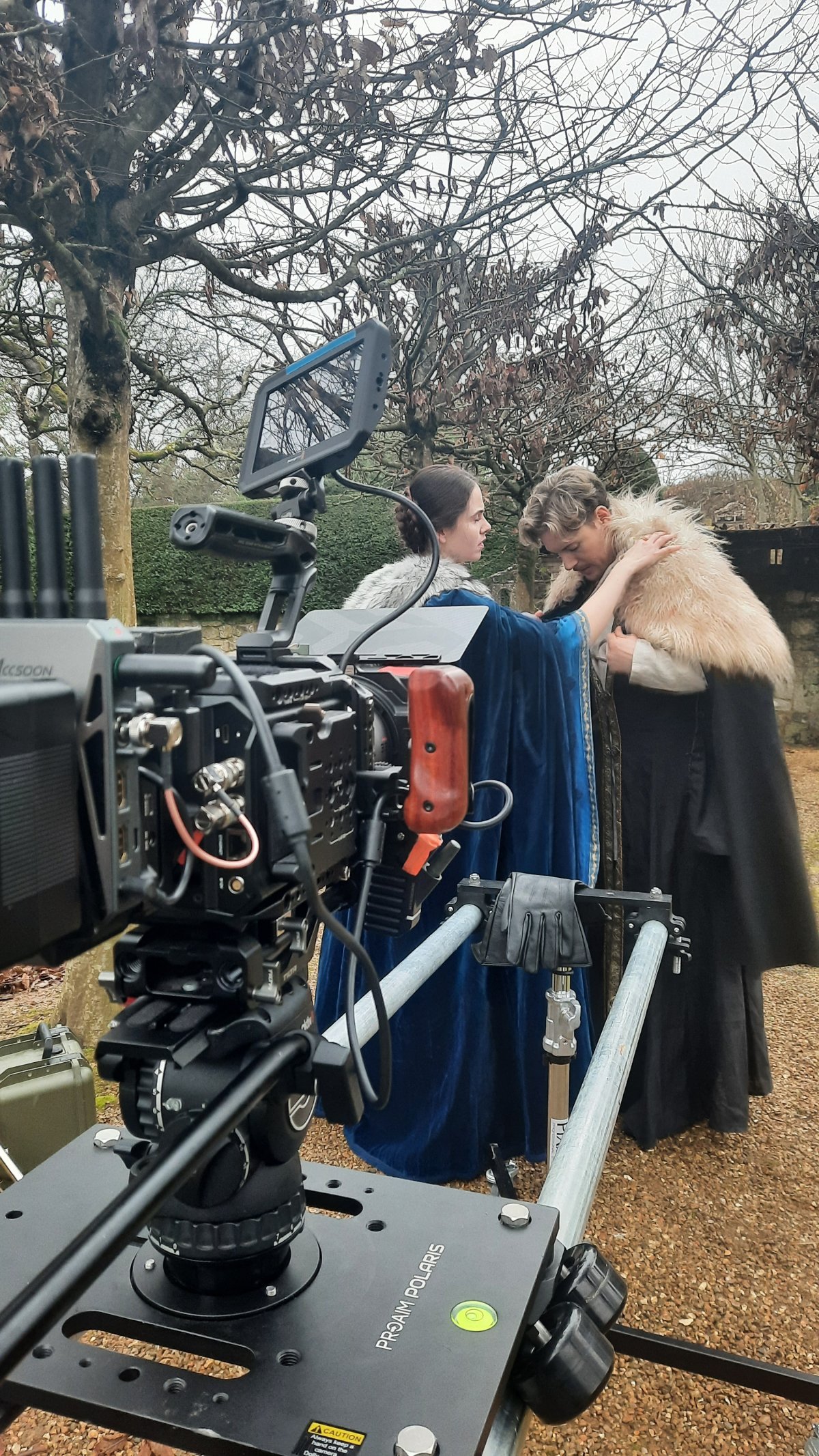
Our core crew was intentionally small, consisting mainly of the DOP, AC, sound, and myself. Because of that, I naturally combined the roles of Director, AD, and 1st AD throughout both prep and production.
Alongside directing, I managed scheduling, coordinating scenes, tracking timings, and maintaining communication between the cast, crew, and reenactment groups involved in the film.
With only three shooting days, it required a high level of organisation, adaptability, and trust across the team.
Despite the scale of the production, the collaborative atmosphere allowed us to stay flexible, keep production moving smoothly, and achieve the creative vision we set out from the beginning.”
As Director, did you run into any challenges?
Majid Khan
“Yes — every production brings challenges.
I was brought onto the project just six weeks before principal photography, so I had to dive immediately into both the creative and logistical sides of production.
I had only previously worked with one actor, Florian, so initially I wasn’t sure how I would connect creatively with the rest of the cast or ensure we were aligned regarding performances and tone.
Another challenge was the lack of rehearsal time before filming. Because of the restricted schedule, much of the character development and collaboration happened during production itself.
I had also never visited the Isle of Wight before production, so much of my preparation relied on reference images and videos provided by Sorcha.
The first time I physically saw many locations was on the first day of filming, meaning a lot of planning had to happen in real time — including blocking actors, camera movements, and adapting to environmental restrictions.
Combined with tight schedules, historical limitations, and budget constraints, it required constant problem-solving and flexibility from the entire team.
Ultimately, the production became a valuable learning experience that pushed me to adapt quickly, communicate clearly, and collaborate closely with the team.”
How did you develop the visuals, style, and tone of the short film?
Sorcha Verey
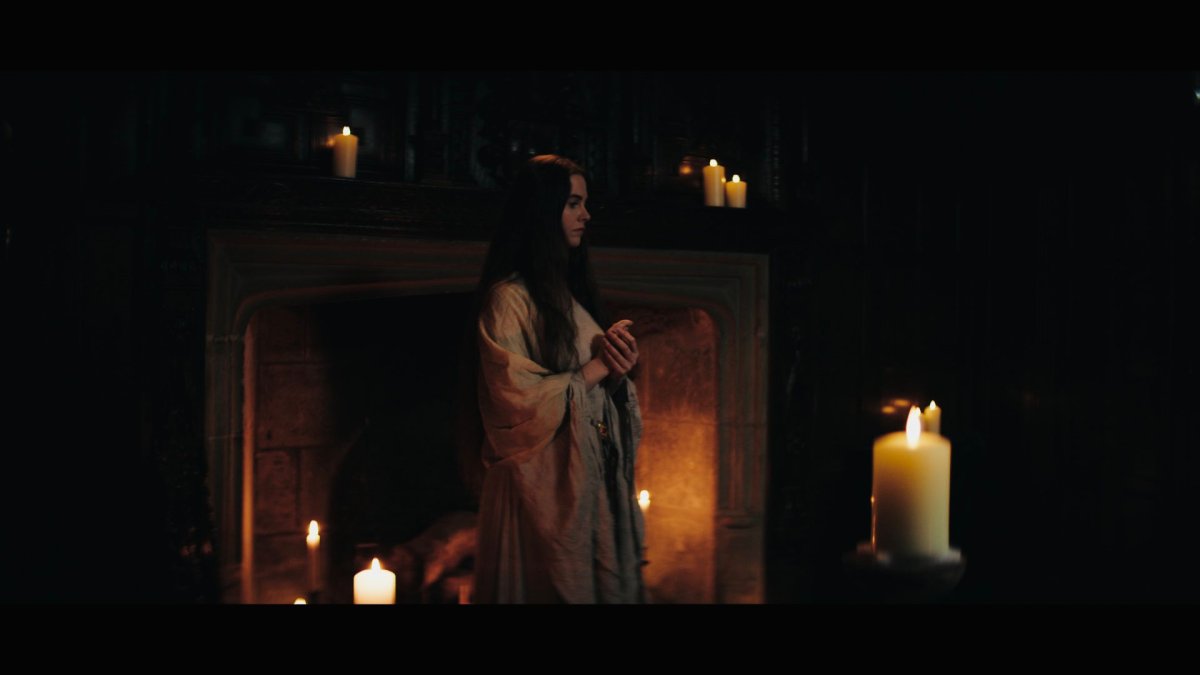
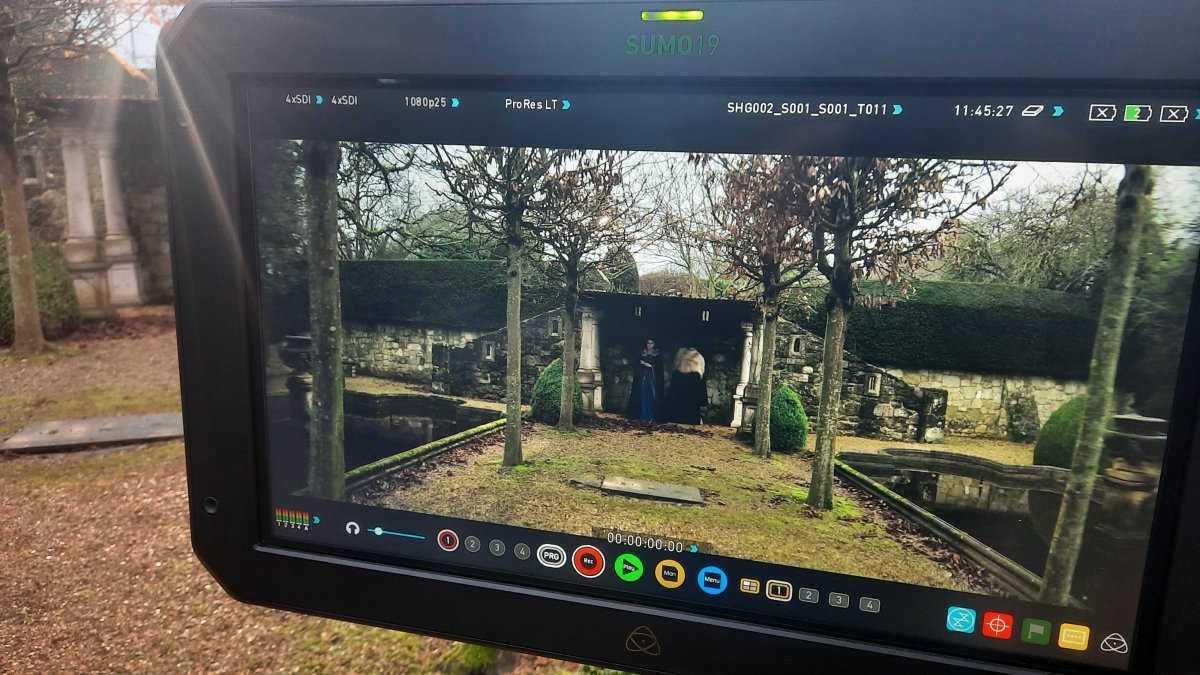
“We researched films with similar themes, and the tone naturally came from the script, which took months to write.
The visual style was heavily influenced by films like The Last Duel.
We also have a very close working relationship with our DOP, James Westlake, who instinctively understands how we work and visualises exactly what we need to capture in each scene.”
How much rehearsal time did you spend with the cast?
Sorcha Verey
“If we were lucky, we had a couple of rehearsals.
Beyond that, we ran lines on the day of the shoot.
We knew our actors were professional and capable of working within such a limited timeframe, which is why we chose carefully who we worked with.”
Why do you create? What motivates you to explore these stories?
Sorcha Verey
“I create films that I personally want to see — stories that aren’t already out there but absolutely should be.
I love telling stories that reflect my view of the world, especially stories that have been forgotten.
I’m particularly drawn to female-led narratives because history has tried to erase some of the greatest women who ever lived.
It’s time to give them a second life.”
What advice would you give independent filmmakers making their first short film?
Sorcha Verey
“Find the opportunity and go for it, because the opportunity may never find you.
Don’t wait until you feel ready — you are probably more capable than you think.
Don’t hold yourself back because you’re afraid you won’t succeed. You’ll never know unless you try.
If I had applied for funding years earlier, I probably would have already made several short films by now.
Don’t hold back. Just go for it.”
Where can audiences see your work and get in contact with you?
Project Page
- @isabelladefortibus
Florian Hencher
- Instagram & TikTok: @florian_hencher
- Upcoming work launching on Yoreflix, a streaming platform dedicated to period drama.
Sorcha Verey
- Instagram: @sorcha_verey
- Vimeo portfolio and film work promoted through social media.
Majid Khan
- Instagram: @majid.khan.92
Frequently Asked Questions
What's Your Reaction?
 Like
0
Like
0
 Dislike
0
Dislike
0
 Love
1
Love
1
 Funny
0
Funny
0
 Wow
0
Wow
0
 Sad
0
Sad
0
 Angry
0
Angry
0
















Reviews & Comments (0)