
Short Film Distribution Strategy: How to Get Your Film Seen (And What Comes Next)
You finished your short film. The edit is locked, the color grade is done, and you've watched it approximately four hundred times. Now what?

You finished your short film. The edit is locked, the color grade is done, and you've watched it approximately four hundred times. Now what?
This is the part nobody really prepares you for. Production has deadlines, deliverables, a clear finish line. Distribution doesn't. You're suddenly staring at a blank page, a long list of platforms, and a growing suspicion that just uploading it to YouTube and hoping for the best isn't actually a strategy.
It isn't. But the good news is that building a real short film distribution strategy isn't complicated once you understand the sequencing. There are three main paths: festival-first, digital-first, or a hybrid of both. Which one is right for your film depends on what you actually want out of it — and that's where most filmmakers go wrong, because they skip straight to picking platforms without ever defining their goals.
This guide walks you through the full picture: from your first submission to your digital release, streaming rights, self-distribution tactics, and everything in between.
Start With Your Goals — Not Your Platforms
Before you touch FilmFreeway or open a Vimeo account, ask yourself one question: what do I actually want this film to do for me?
That's not a philosophical question. It has three practical answers, and each one leads to a different strategy.
Exposure means getting as many eyeballs as possible on your work. You want people — audiences, other filmmakers, potential collaborators — to see it. If this is your goal, wide digital distribution is your priority. AVOD platforms like YouTube and Vimeo, curated channels like Omeleto or Dust, and community platforms like Indie-Clips are your friends. You're optimizing for reach.
Career credibility means building your filmmaking reputation within the industry. You want festival selections, press coverage, a credit you can put on a pitch deck. If this is your goal, the festival circuit is your priority — and your entire digital strategy has to be planned around it, because the two are in direct tension with each other.
Revenue means actually making money from your film. Honest answer: short films rarely generate significant income. The economics are tough. But if revenue matters to you, TVOD platforms (where viewers pay per view), licensing deals, and broadcast sales are the channels to pursue.
Most filmmakers want a version of all three — which is fine. The point is to prioritize, because the decisions you make in the first few weeks after picture lock will determine which doors stay open and which ones close.
The One Question That Shapes Everything: Festival First or Online First?
Here's the tension you need to understand before you do anything else.
Most major film festivals — Sundance, Berlinale, SXSW, Cannes — require your film to hold premiere status. That means it cannot have been publicly screened, broadcast, or made available online before the festival. If you upload your film to YouTube, post it on Vimeo, or release it on any public platform, you immediately lose eligibility for the majority of prestigious festivals.
This is the single most common and most costly mistake first-time filmmakers make. They share their film online to get feedback, or post a Vimeo link on social media, and unknowingly slam the door on the festival circuit before they've even started.
The rule of thumb: if you're planning to submit to any major or mid-tier festivals, keep your film offline until you've decided you're done with the circuit — or until a festival's specific rules allow otherwise. Some smaller festivals are fine with online content; always check the eligibility requirements before you upload anything publicly.
Understanding the Festival Route
Film festivals are more than just competitions. They're industry events, networking opportunities, and — if things go well — career accelerators. Getting selected by a well-respected festival adds credibility that's very hard to replicate through digital distribution alone. It tells industry professionals that your work has been vetted by people with taste.
Why Premiere Status Matters (And How It Can Lock Your Options)
Premiere status is tiered. A world premiere means your film has never been shown publicly anywhere. An international premiere means it's been shown in its country of origin but nowhere else. A regional or national premiere is more specific to geography.
The bigger the festival, the more strictly it guards premiere status. Berlinale explicitly states that films broadcast on television or presented on the internet or VOD are not eligible. SXSW defines world premiere as a film that has not screened theatrically anywhere, not been broadcast, and not been available online in any form. These rules are firm.
What this means practically: plan your festival campaign before you do anything else. Once you know which festivals you're targeting, you can map your strategy backward from their deadlines.
How to Build a Smart Festival Submission List
There are over 12,000 film festivals listed on FilmFreeway alone. Submitting to all of them is not a strategy — it's an expensive way to lose money on entry fees. Be selective.
Start by identifying festivals that are a genuine match for your film. Genre matters: a horror short belongs at Fantasia or Fantastic Fest, not a documentary showcase. Geography matters too: if you're a European filmmaker, festivals like IFFR, Kraków Film Festival, or Edinburgh International Film Festival are strong targets that also carry international credibility.
Build a tiered list:
- Tier 1 — Three to five prestige festivals where selection would be genuinely career-changing. Aim big, but know these are long shots.
- Tier 2 — Ten to fifteen well-regarded mid-tier festivals where your film has a realistic chance. These are your core targets.
- Tier 3 — A set of genre-specific, community, or regional festivals where acceptance builds your laurels and gives you screening experience.
Submit to Tier 1 and Tier 2 simultaneously. Don't wait for one rejection before trying the next. The circuit moves on a calendar, and timing your submissions around early-bird deadlines saves you real money.
What to Actually Submit With Your Film
A weak submission package is one of the most common reasons good films don't get selected. Programmers are reading hundreds of submissions. Make theirs easy.
Your submission package should include:
- A secure screener link — Vimeo (password-protected) or FilmFreeway's built-in screener system
- A short synopsis — 50 to 100 words, sharp and specific. Not "a film about identity." Tell them what actually happens.
- A director's statement — One paragraph on why you made this film and what you were trying to say. Be honest, not pretentious.
- Production stills — Three to five high-resolution images from the film
- A poster or key art — Even a simple, well-designed one reads as professional
- Cast and crew bios — Brief. One to two sentences per key person.
Take the time to get this right. The film is your work; the package is your pitch.
After the Festival Circuit — What Comes Next
At some point, the festival run winds down. Maybe you got into a handful of great festivals, maybe you didn't, maybe you're just ready to move on. The question then becomes: when do you shift to digital?
How Long Should You Stay on the Circuit Before Going Digital?
There's no universal answer, but there's a useful framework. Most active festival campaigns run for six to eighteen months. If you're regularly getting into festivals — screenings, selections, the occasional award — stay on the circuit. The momentum is working.
If you've been submitting for three to four months and the acceptance rate is low, it's time to reassess. Either narrow your submissions to festivals that are a better fit for your film, or start planning your digital transition. Staying on the circuit indefinitely while getting rejection after rejection doesn't serve your film or your career.
One important note: winning an Academy Award-qualifying festival (several short film festivals carry this accreditation, including MIFF) can open doors that last well beyond your festival run. If you're in contention for that level of recognition, it's worth the patience.
Using Festival Laurels to Strengthen Your Digital Release
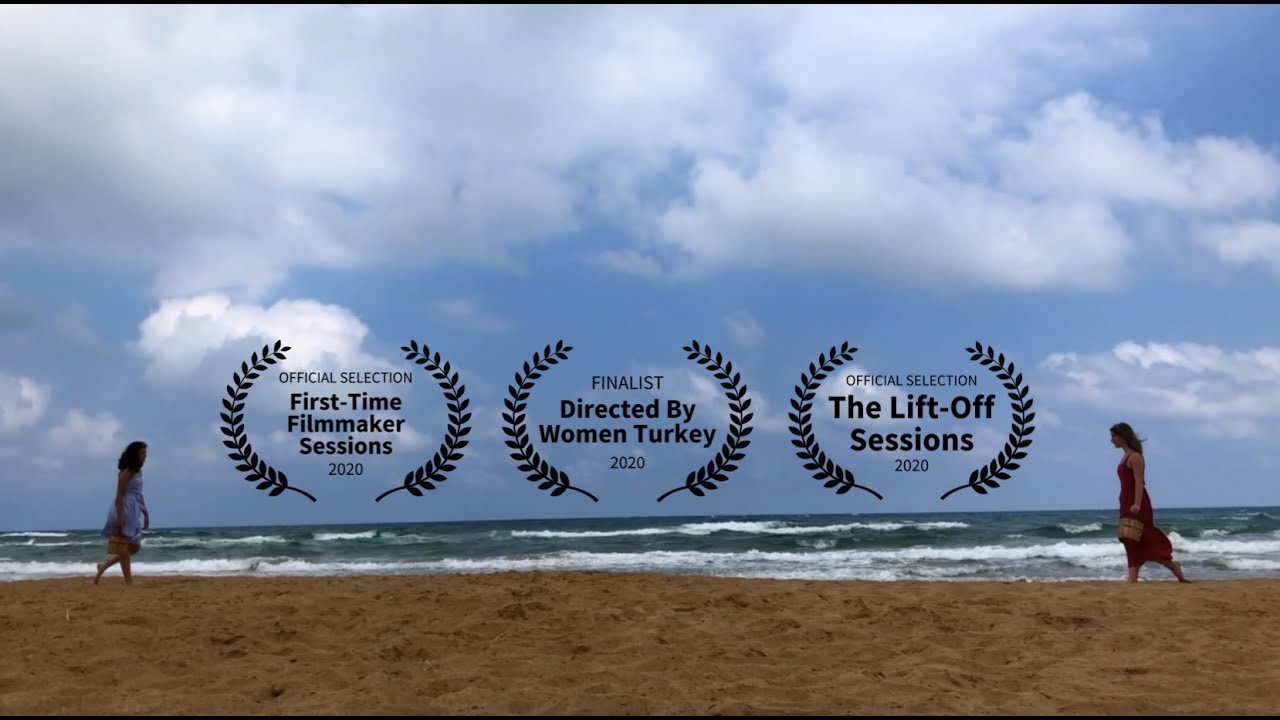
Whatever you gather on the circuit — official selections, award nominations, wins — use them. Festival laurels displayed on your film's digital release page dramatically improve click-through rates and signal credibility to new viewers who have no prior connection to your work.
Update your key art with laurels. Write a press release that names every significant festival selection. Pitch the film to film blogs, short film YouTube channels, and online publications while you still have festival momentum on your side. The window where your film is "news" is shorter than you think.
Streaming and VOD Distribution for Short Films
Once you're ready to go digital, you'll encounter three distribution models, and it's worth understanding what they actually mean before you commit to anything.
AVOD, SVOD, and TVOD — What They Mean for Shorts
AVOD (Advertising Video on Demand) means your film is free to watch, supported by ads. YouTube is the most obvious example. You earn a share of ad revenue based on views — which, for most indie shorts, amounts to very little money. The upside is reach. The downside is that monetization is genuinely hard to achieve at scale without an existing audience.
SVOD (Subscription Video on Demand) means your film is part of a subscription library — think Netflix or Amazon Prime. Getting onto major SVOD platforms as an unknown short filmmaker is difficult and usually happens through aggregators or following a strong festival run. The revenue model typically involves a licensing fee rather than per-view payment.
TVOD (Transactional Video on Demand) means viewers pay to rent or buy your film. Vimeo On Demand operates this way. You set the price, you keep a larger share of revenue, and you retain creative control. The challenge is that you need to drive your own traffic — without a marketing push, a TVOD page sitting quietly on Vimeo won't generate views on its own.
For most short filmmakers, the answer isn't one model but a combination: AVOD for broad reach, TVOD for a committed core audience, and SVOD as a bonus if the right opportunity comes along.
Platforms Worth Knowing
Vimeo On Demand is the go-to for filmmakers who want a clean, professional presentation with no ads, detailed analytics, and the option to put content behind a paywall. It has a smaller audience than YouTube but a more engaged, film-literate one. Lower commission fees than most alternatives make it particularly appealing for short films.
Filmhub is a free aggregator that places your film across a network of streaming platforms — including Tubi, Amazon Prime Video, and others — without requiring exclusive rights. Revenue is split 50/50, and Filmhub handles the technical delivery requirements for each platform. For filmmakers who don't want to manage platform-by-platform submissions manually, it's a very practical starting point.
Short of the Week is a curated platform and long-running publication dedicated entirely to short films. Getting featured there is a credibility signal and drives real traffic from an audience that actively seeks out short form cinema.
Indie-Clips is a community platform built specifically around short films — a place where independent filmmakers can submit their work and reach an audience that's already there to discover exactly this kind of content. If you want your film in front of people who actually watch and appreciate short films (not just happen to stumble on them while scrolling), it's worth having your film listed there. Create a free account here and submit directly.
YouTube channels like Omeleto, Dust (for sci-fi), Alter (for horror), and Short Frame distribute short films to large, genre-specific audiences and offer revenue sharing. These are worth approaching directly if your film fits their remit.
Do You Need a Film Aggregator?
A film aggregator is a company that handles the technical delivery of your film to streaming platforms on your behalf — encoding, metadata, subtitles, quality compliance. Some aggregators charge upfront fees; others (like Filmhub) take a revenue share.
If you want your film on Amazon Prime or other major platforms and don't want to navigate their technical requirements manually, an aggregator saves significant time. Just make sure you understand the terms before signing — specifically whether they require exclusivity, and for how long.
Understanding Streaming Rights for Short Films
"Streaming rights" is one of those phrases that sounds more complicated than it is. Simply put: it's a contractual agreement defining who can show your film, on which platforms, in which territories, and for how long.
What Rights Are You Actually Signing Away?
When a platform or distributor asks for streaming rights, they're asking for permission to show your film within a specific scope. That scope might be:
- Territorial — rights for a specific country or region only
- Platform-exclusive — your film can only appear on their platform during the contract term
- Time-limited — rights last for one, two, or five years before reverting to you
- Non-exclusive — they can show your film, but so can others simultaneously
Non-exclusive, time-limited, territorial rights are the most filmmaker-friendly arrangement. They let you maintain flexibility, distribute on multiple platforms simultaneously, and regain full control once the term expires.
Exclusivity Clauses — When to Say No
Exclusivity is the one to watch. If a platform wants exclusive global rights to your short film — especially for a deal that pays little or nothing — think hard before signing. You're locking yourself out of every other distribution avenue for the duration of the contract.
There are situations where exclusivity makes sense: if a major platform is offering a genuine licensing fee and significant exposure, the trade-off can be worthwhile. But for most indie short deals, exclusivity offers the platform much more than it offers you.
The core principle: always read the contract. Always retain your rights unless the deal is genuinely transformative. If in doubt, get a second opinion from a filmmaker who has navigated distribution contracts before.
Self-Distribution — The DIY Route
Self-distribution has one enormous advantage over every other approach: you control everything. The release timing, the marketing, the platforms, the price, the narrative around your film. You also do all the work yourself — but for a short film, that's manageable.
Building Your Audience Before You Launch
The biggest mistake in self-distribution is treating the release as the starting point. It isn't. Your audience-building starts weeks before the film goes live.
Start by identifying the communities where your target viewers already exist. If your film is a sci-fi short, that's Reddit communities, Discord servers, and YouTube channels dedicated to indie sci-fi. If it's a personal documentary, it might be specific interest communities or cause-based groups. Find them, engage genuinely, and start sharing your story — not the film itself, but the process, the intention, the people involved.
Build a simple mailing list. Even fifty genuinely interested people who receive a personal email on launch day are worth more than five thousand passive followers who see an algorithm-filtered post and scroll past it.
Release Week Tactics That Actually Work
Compress your release. Don't drag your digital launch out over weeks — create a concentrated window of activity and maximize the momentum of your initial spike.
A simple framework for release week:
- Day 1 (pre-launch): Share a trailer or clip with cast, crew, and key supporters. Ask them to share on launch day.
- Day 2 (launch day): Film goes live. Personal emails to your list. Simultaneous posts from your whole team. Reach out to film blogs and short film publications with a press release and screener link.
- Day 3–5: Behind-the-scenes content, director's commentary, Q&A posts. Keep the conversation going while the algorithm is still paying attention.
- Week 2: Follow up with any press contacts who didn't respond. Submit to any curated channels (Omeleto, Dust, Short Frame) that accept submissions.
Cross-promote relentlessly: your film link lives in your bio, your email signature, your website, your cast's social profiles. Every touchpoint is a distribution channel.
Final Thoughts — Your Short Film Deserves to Be Seen
Distribution isn't the end of your film's story. It's where the story actually reaches people.
The filmmakers who get the most out of their short films are the ones who approach distribution with the same intention they brought to production — thoughtfully, strategically, and with a clear sense of what they're trying to say and who they're trying to reach. Your film has value beyond the hard drive it's sitting on. It's a calling card, a proof of concept, and for the right audience, something that genuinely matters.
Start with your goals. Protect your premiere status. Be strategic about your festival list. And when you're ready to go digital, put your film somewhere that actually cares about short films.
Indie-Clips is built for exactly that. Create a free account, submit your film, and put it in front of an audience that's already there looking for independent short cinema. Join the community here →
And if you want to stay on top of the best short film festivals to submit to each season, our newsletter has you covered. Subscribe here →
Looking for more on the distribution process? Check out our practical guide: Navigating Distribution for Independent Short Films
Frequently Asked Questions
What's Your Reaction?
 Like
0
Like
0
 Dislike
0
Dislike
0
 Love
0
Love
0
 Funny
0
Funny
0
 Wow
0
Wow
0
 Sad
0
Sad
0
 Angry
0
Angry
0

Co-founder of Indie-Clips.com
















Reviews & Comments (0)