
Short Film Grants in Europe & UK: Real Routes, 2026
A terrain-level guide to short film grants in the UK and Europe, built on conversations with directors who actually got funded — not another generic list.
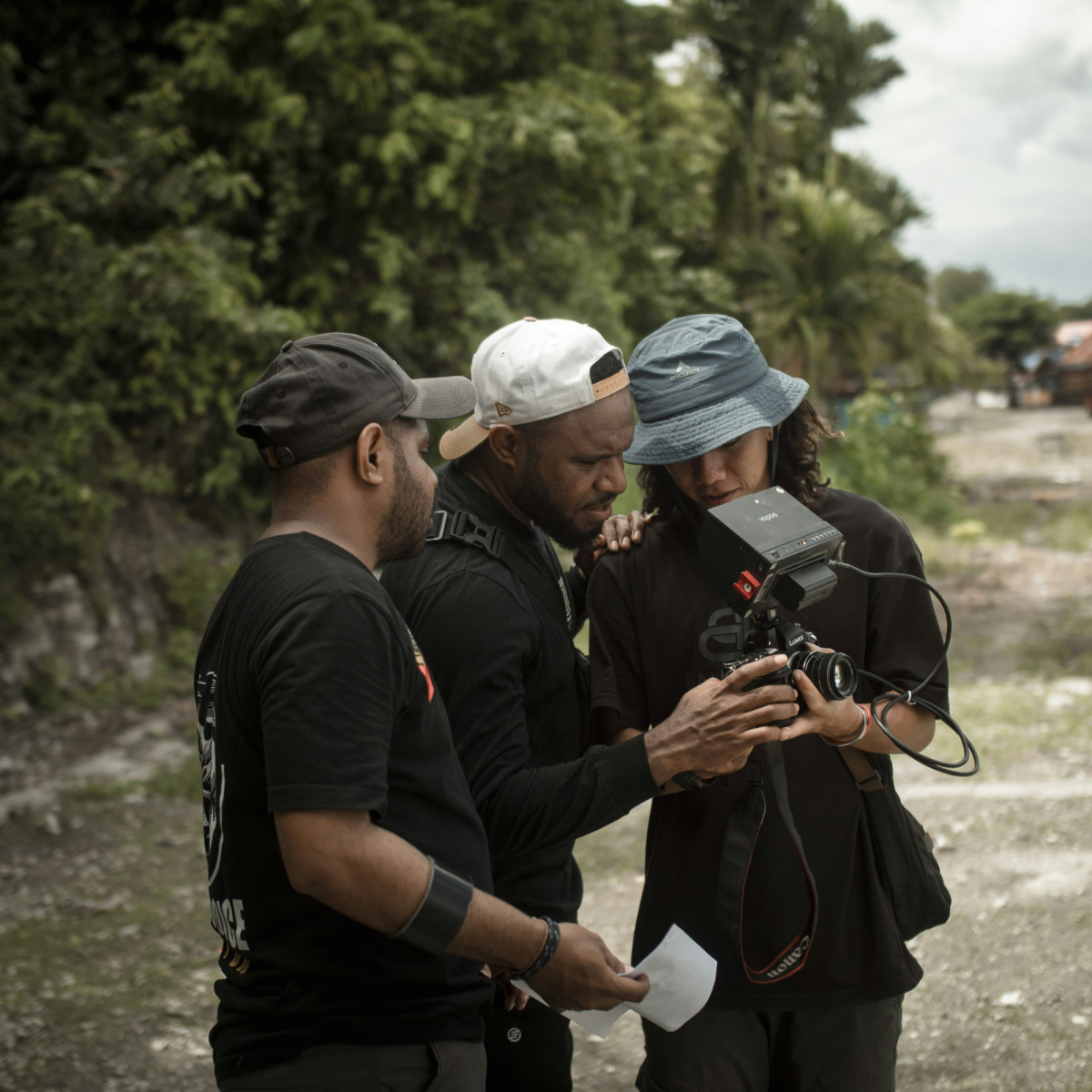
If you've typed "short film grants" into Google hoping for a list you can actually act on, you've probably hit the same wall every emerging director does: generic roundups that repeat the same five American labs and forget that funding structures in the UK and continental Europe work completely differently. We talked to directors in our own network — people whose shorts have played festivals across the UK and France — about where the money actually came from, and the picture is more specific, and more national, than most guides admit.
Why UK and European short film funding doesn't behave like a "grant list"
In the US, short film funding is dominated by private labs and competitions. In the UK and most of Europe, it's the opposite: the biggest source of short film funding is public money, administered through national film institutes and regional agencies tied to specific eligibility rules — where you live, where you studied, sometimes the nationality of your crew. That means "short film funding" isn't one pot you apply to; it's a patchwork you need to map by country.
UK short film grants: where the money actually sits
BFI NETWORK
For most emerging UK directors, BFI NETWORK is the first serious door to knock on. It's funded through National Lottery money and run regionally — England is split into hubs (London, South West, North, Midlands, and others), while Scotland, Wales and Northern Ireland have their own equivalents. The scheme typically supports two stages: early development funding for script and attachment work, and production funding for the short itself. One director we spoke with, who went through a regional hub after several years of self-funded shorts, said the real value wasn't just the cash — it was the talent executive attached to the project, who pushed for rewrites before the budget was even confirmed. Exact award ceilings change between cycles, so always check the current call on the BFI's own pages rather than trusting a figure from last year's blog post.
Regional and broadcaster-linked schemes
Beyond BFI NETWORK, look at nation-specific bodies: Screen Scotland, Ffilm Cymru Wales, and Northern Ireland Screen each run their own short film strands, often with slightly different eligibility (residency requirements, first-time filmmaker status). Shooting People's funding database is worth a scroll for smaller, rolling grants aimed at festival-ready shorts rather than first drafts — useful if your project is already shot and needs festival or post-production support rather than production cash.
France: CNC and the regional detour most people skip
France's CNC runs dedicated short film aid (aide au court métrage), split across fiction, animation, documentary and experimental categories, with separate support for writing and for production. The catch for non-French directors: most CNC short film aid requires a registered French production company attached to the project, so the realistic path is partnering with a French producer rather than applying solo. What's underused by foreign filmmakers is the regional layer — bodies like the Île-de-France region or Nouvelle-Aquitaine's film fund run their own short film grants, often with lower competition than the national CNC calls, specifically to support productions shooting in their territory. A director we interviewed after her short screened at a regional French festival credited a regional fund, not CNC, for the bulk of her budget — precisely because she shot in the region the fund was designed to support.
Looking past your own border: Creative Europe and co-production routes
Creative Europe MEDIA doesn't typically hand production cash directly to individual short filmmakers — it's built more around training programmes, festival support, and company-level development slates. Still, it's worth knowing it exists because the training strands (and the network of Creative Europe Desks in every member state) are genuinely useful for finding co-production partners if your short has a cross-border angle. Eurimages, similarly, is built for feature co-production and rarely applies to shorts — don't waste a cycle applying there for a 15-minute film.
Grants for screenwriters: fund the script before the shoot
A mistake we see constantly in first submissions: directors apply for production money with a script that hasn't been through a single development pass. Several UK and European schemes separate these stages for a reason — BFI NETWORK's early development strand and various regional writers' labs exist specifically to fund table reads, script notes, and rewrites, usually for a few thousand pounds or euros rather than a full budget. Getting development funding first also makes your eventual production application stronger: reviewers can see the project has already survived outside feedback.
What this actually looks like in practice
Across the conversations we've had, three patterns repeat regardless of country: directors who got funded applied to regional or nation-specific funds rather than only the flagship national body; they had a producer or production company attached before the production-stage deadline, even if they didn't need one for development funding; and they treated rejection from one cycle as a reason to resubmit a tightened version, not a reason to abandon the fund entirely.
Checklist before you apply
- Identify your home nation's primary public fund (BFI NETWORK, CNC, Screen Scotland, Ffilm Cymru Wales, Northern Ireland Screen, or your country's national film institute) and read the current eligibility page directly — not a summary from 2023.
- Check regional funds tied to where you plan to shoot, not just where you live; regional pots often have less competition.
- Separate your application strategy into development funding (script stage) and production funding (shoot stage) — apply for both at the right moment.
- If applying outside your home country, find a local producer first; most European public funds require a registered local production structure.
- Build your 2026 application calendar now — most cycles run annually or twice yearly, and decision periods often run eight to twelve weeks after the deadline, so back-plan from your intended shoot date.
Frequently asked questions
What's Your Reaction?
 Like
0
 Dislike
0
 Love
0
 Funny
0
 Wow
0
 Sad
0
 Angry
0

Indie-Clips is a non-profit organisation based in Brussels, Belgium. Our aim is to promote independent filmmakers and their short films through our streaming platform + our educational content and valuable career-opportunities. Our website hosts over 200 short films, original interviews and articles all together. We host live screenings, masterclasses and workshops with our partner organisations in Brussels and London.













Reviews & Comments (0)