


Animation Grants 2026: The Real Deadline Calendar
A discipline-specific guide to real animation grants — BFI, FLAMIN, Animation Lab Pilsen, GLAS — with what to verify before you apply.
If you've typed "animation grants" into Google and landed on five different "top funding for filmmakers" listicles that mix animation in with live-action shorts, documentaries, and crowdfunding tips, you already know the problem: most short film funding guides treat animation as an afterthought. It isn't. Animation has its own production timelines, its own cost structure, and — increasingly — its own dedicated funding bodies. This guide only covers schemes built specifically for animators, with what we could verify about amounts, eligibility, and how to actually track their deadlines.
Why Animation-Specific Funding Works Differently
Generic short film funds often cap support around what a small live-action crew needs for a weekend shoot. Animation budgets front-load differently — storyboarding, character design, and pre-production can eat half the budget before a single frame is rendered. That's exactly why bodies like the BFI created a separate animation strand instead of folding it into general short film funding, and why festivals like GLAS Animation run their own grant program rather than pointing filmmakers to a generic fund.
The practical consequence for your application
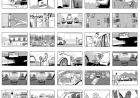
Reviewers on animation-specific panels expect to see visual development work — style frames, character turnarounds, sometimes a short animatic — much earlier in the process than a live-action funder would ask for a shot list. Build that into your timeline before you start applying.
UK Animation Funding: BFI and FLAMIN
BFI Short Form Animation Fund
Operated by the BFI Film Fund and supported by National Lottery funding, this scheme specifically targets higher-budgeted animated short-form work up to 15 minutes, across any animation technique. It's aimed at the sector growth that lower-budget schemes can't fund — projects with more ambitious production values than a typical first short. Exact funding amounts and the current application window are published only on the BFI's own pages and change between rounds, so check there directly rather than relying on third-party summaries.
BFI NETWORK England
Not animation-exclusive, but animators are eligible and regularly funded. Awards run between £5,000 and £25,000, aimed at first and early-career filmmakers, distributed through regional talent executives rather than a single national panel. Projects need to be scheduled to start production shortly after the award — this isn't development money, it's production money, so apply once your animatic and budget are locked.
FLAMIN funding for moving image artists
FLAMIN (Film London Artists' Moving Image Network) isn't an animation fund by name, but a meaningful share of the artists it supports work in animation, stop-motion, and hybrid techniques, since its remit is experimental and artist-led moving image rather than narrative convention. If your animation project sits closer to gallery or experimental practice than broadcast narrative, this is worth tracking alongside the BFI schemes — check FLAMIN's current open calls directly, as production fund amounts and cycles vary by round.
European Animation Labs Worth Knowing
Animation Lab Pilsen (Anifilm)
Run in connection with the Anifilm International Festival of Animated Films in Pilsen, Czech Republic, this is a project-development and pitching lab rather than a cash grant. Selected projects get mentorship, industry meetings, and exposure to potential co-producers during the festival. If you're an emerging European animator, it's a realistic way to get a project in front of decision-makers who do control production money — just don't budget it as direct funding in your financing plan.
GLAS Animation Grant
GLAS Animation Festival, based in Berkeley, California, runs its own grant program directly for independent animators, aimed at development and production of original short films. According to the festival's own program materials, they've distributed grants to roughly nine filmmakers over four years — a small, competitive pool, but one explicitly built for this discipline rather than retrofitted from a general short film fund.
CNC and the "bourses pour l'animation" search in France
French-speaking animators searching "bourses pour l'animation" usually land on the CNC's short film aid schemes. These aren't animation-exclusive the way BFI's fund is, but animated works are eligible under the CNC's standard short film aid categories — worth checking directly on the CNC site since eligibility criteria and amounts are updated periodically.
Building Your Own Animation Grants Calendar
The single biggest mistake we see: applying to whichever fund comes up first in a Google search, without mapping deadlines against where your project actually is in production. Build a simple calendar instead:
- Development stage: target labs and pitching events (Animation Lab Pilsen, equivalent events at Annecy or Cartoon Forum) before you have a locked budget.
- Pre-production/production stage: target BFI Short Form Animation Fund, BFI NETWORK, or national schemes like CNC once your animatic and budget exist.
- Finishing funds: smaller grants like GLAS Animation's program can sometimes cover the last stretch — check whether they fund development, production, or both before assuming fit.
Next Steps: Your Pre-Application Checklist
- Confirm your project's current stage (concept, development, production, post) and match it to the right fund type above — don't apply to production money with a concept deck.
- Check eligibility by nationality/residency before writing anything — BFI schemes require UK-based creatives; GLAS and CNC have their own geographic rules.
- Bookmark the official page of each fund you're targeting rather than relying on aggregator sites — amounts and deadlines shift between rounds, and official pages are the only reliable source.
- Prepare visual development material (style frames, animatic, character sheets) earlier than you would for a live-action pitch — animation panels expect to see tone, not just premise.
- Track at least one lab (Pilsen or equivalent) alongside direct grant applications — labs don't give cash, but they open doors to co-production funding that no grant database will show you.
Frequently asked questions
What's Your Reaction?
 Like
0
 Dislike
0
 Love
0
 Funny
0
 Wow
0
 Sad
0
 Angry
0

Indie-Clips is a non-profit organisation based in Brussels, Belgium. Our aim is to promote independent filmmakers and their short films through our streaming platform + our educational content and valuable career-opportunities. Our website hosts over 200 short films, original interviews and articles all together. We host live screenings, masterclasses and workshops with our partner organisations in Brussels and London.




















Reviews & Comments (0)